Apps
Android 17 Could Finally Eliminate Phone Lag for Good 📱🚀
If you have ever felt frustration 😫 when your phone slows down during a scroll 📜 or a tap 👆, you are certainly not alone. Even minor stutters and lag can ruin the premium feel of a good device. Fortunately, Google 🤖 aims to smooth things out significantly with its next major update, Android 17. A new report indicates that Google is introducing a system architecture change called “DeliQueue.” The goal is straightforward: minimize wait times ⏳ at the core of the operating system to ensure apps run seamlessly ✨.
Google DeliQueue 🥪⚙️

#android 17
Why Phones Drop Frames 📉🎞️
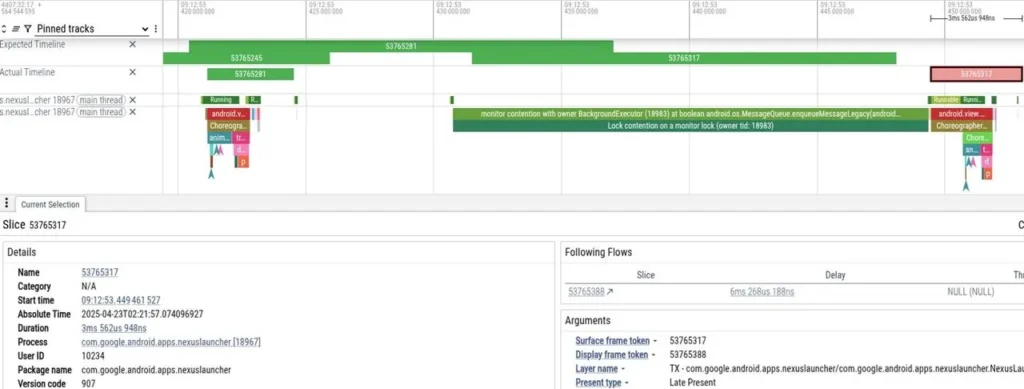
When you swipe 🖐️ on your screen or launch an application 🚀, your phone is required to render each frame on a strict schedule. If it fails to meet that deadline, you experience a visual jump or pause—technically known as a dropped frame ⚠️. The root of this issue lies deep within the system, where numerous tasks line up to access a core component known as the MessageQueue 📩.
Google DeliQueue aa 🛠️
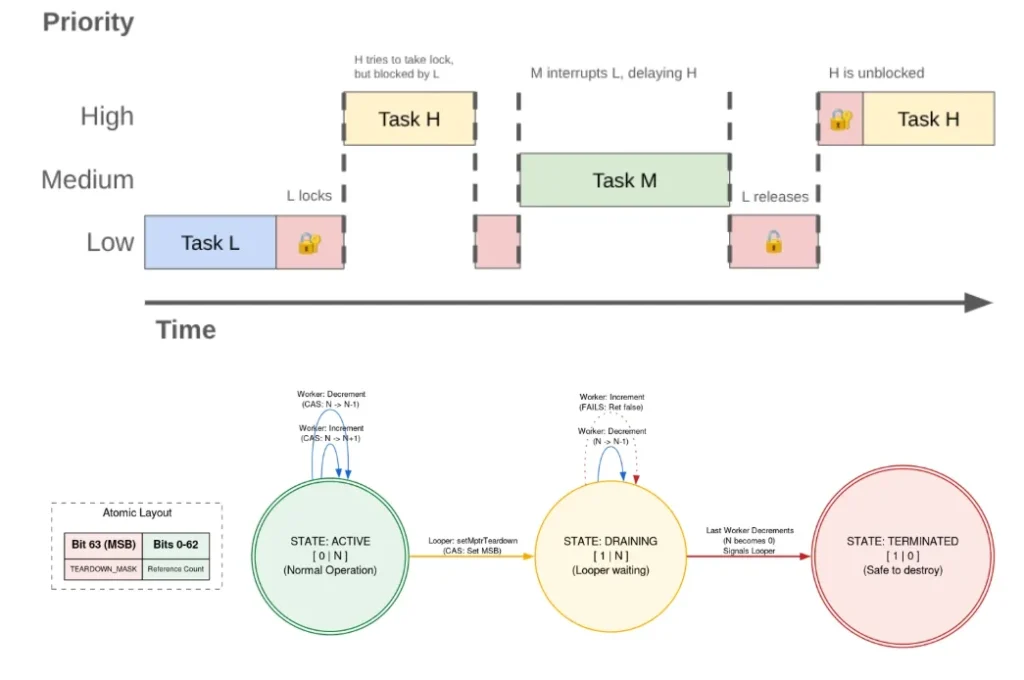
Historically, when a single task held the “lock” 🔒 on this queue, all other pending tasks were forced to wait until the lock was released. You can think of this like a long checkout line at a store 🛒: if one customer takes too long, everyone behind them is stuck standing still 🐢. On a smartphone, that bottleneck translates directly to a sluggish, unresponsive interface 🛑.
Read also 📖
Google Android 17 will hide your private messages from prying eyes 🕵️♂️—no one will see them 🔒💬
A New Way to Share Tasks 🔄🏗️

#Android 17