Microsoft
ASUS ROG Xbox Ally X review: An extra life for Xbox 🎮✨
Discover if the ASUS ROG Ally X is the “extra life” Xbox needs. Our review explores how this powerful handheld could redefine Microsoft’s hardware strategy.

#ASUS ROG Xbox
Xbox currently stands at a precarious crossroads 🛣️. While the PlayStation 5 and Switch 2 continue to surge in popularity, momentum for Microsoft’s hardware has stalled following multiple price hikes for the Series S and X 📉. With major retailers like Costco even removing the consoles from their shelves, the current generation appears to be drifting without a paddle 🛶. This begs the question: what is the company’s next move? ❓
Microsoft’s most obvious play would be to simply ride out the storm ⛈️, regrouping to launch a fresh console generation in a year or two. Alternatively, the company could mirror Sega’s post-Dreamcast strategy, pivoting entirely to become a cross-platform publisher leveraging its massive stable of first-party studios 🏗️. However, there is a third path that bridges the gap to the next generation while tapping into a fresh market: entering the handheld gaming arena 🕹️.

#ASUS ROG Xbox
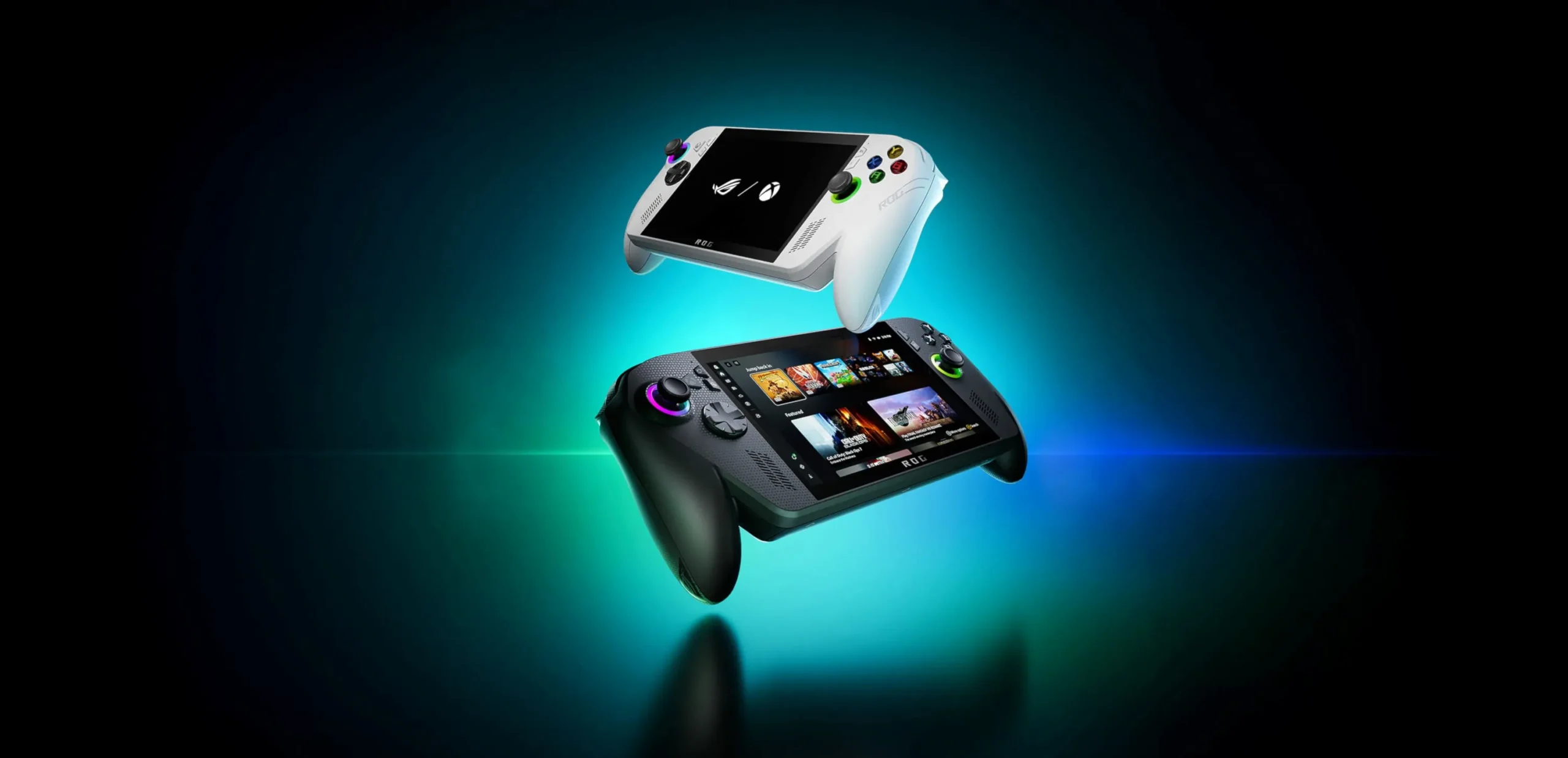
Developing a portable gaming device from scratch is neither cheap nor fast 🛠️. Rather than going it alone, Microsoft partnered with ASUS to produce the ROG Xbox Ally and ROG Xbox Ally X—a pair of Windows 11-based handhelds infused with Microsoft’s DNA 🧬. It is too early to determine if these devices can revitalize the Xbox brand, but as standalone hardware, they are solid entries that could significantly shape the future of portable gaming 🌟.
Editor’s note: This review focuses on the flagship ROG Xbox Ally X, as that is the unit currently available to us 📝. However, it is worth noting that the base Xbox Ally and the Ally X share core DNA, including the chassis design, display, button layout, and software (distinguished only by color). The entry-level Xbox Ally is less robust, featuring a slower AMD Ryzen Z2 chip, 16GB of RAM, 512GB of storage, and a smaller 60WHr battery 🔋. It is slightly lighter at 1.48 pounds compared to the X’s 1.58 pounds, and carries a more approachable $600 price tag compared to the X’s $1,000 🏷️.
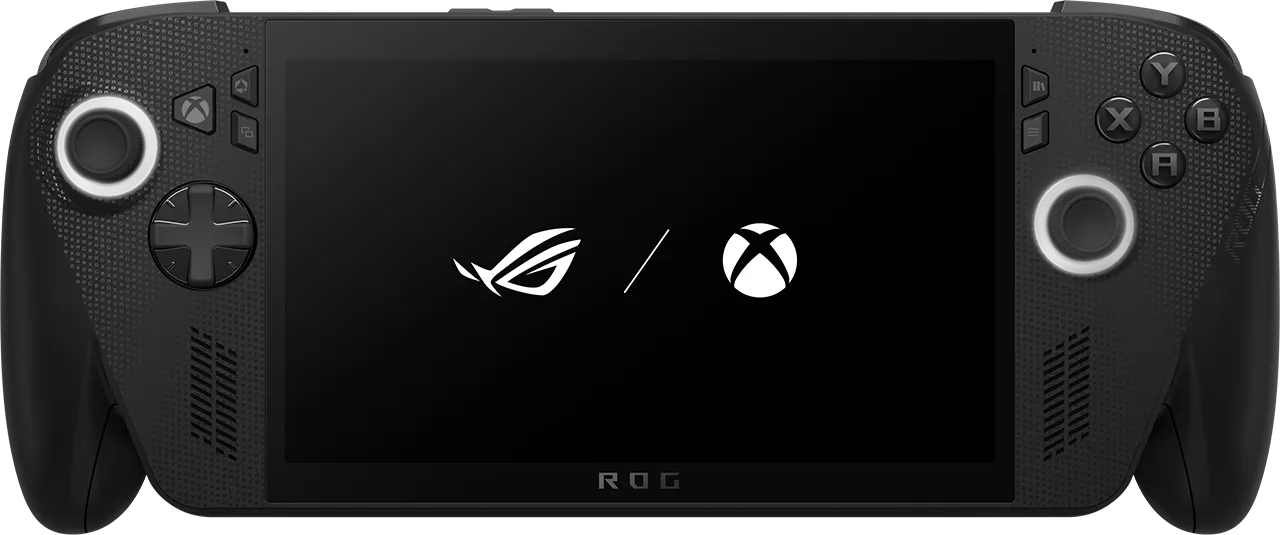
At first glance, the ROG Xbox Ally X looks as if ASUS simply bolted larger grips onto the existing Ally X chassis 🎨. However, the company insists the device was redesigned from the ground up to cater to the Xbox faithful. The influence is clear in features like the classic ABXY button layout, Impulse triggers with deep travel, and the requisite Xbox home button, all centered around a 7-inch IPS LCD screen 📺.
Regarding that display, ASUS opted for a FHD IPS panel with a 120Hz refresh rate—ostensibly the same screen found on the standard Ally X ⚡. While it lacks the inky blacks of an OLED panel, the contrast is surprisingly rich. Our review unit hit a peak brightness of 510 nits (rated for 500), proving that you don’t necessarily need the massive 8.8-inch OLED of the Lenovo Legion Go 2 to get a satisfying visual experience 🔆.


#ASUS ROG Xbox