Tech

200W ⚡ vs 65W 🔋 Charging: The Real Battery Trade-Off After 2 Years ⏳

Published

on

Discover the trade-off between 200W and 65W fast charging. Learn how ultra-fast speeds affect long-term battery health and capacity after two years of use.

Discover the trade-off between 200W and 65W fast charging. Learn how ultra-fast speeds affect long-term battery health and capacity after two years of use.

Fast charging has become the primary battlefield ⚔️ for smartphone manufacturers today. Brands like Xiaomi and OPPO are boasting staggering numbers—200W and even 240W—promising a full battery in mere minutes ⏱️. But how does this ultra-fast technology compare with more moderate speeds, like 65W, regarding battery health after two years of daily use? The short answer is simple: there is a definite trade-off ⚖️.

#200W ⚡ vs 65W

While daily top-ups offer convenience, battery cycle life remains the truest indicator of long-term durability 🏛️. Industry standards generally consider a battery “healthy” ✅ if it retains 80% of its capacity after 800 charge cycles. However, ultra-high-wattage charging shifts this baseline. Devices utilizing 65W charging technology tend to degrade much slower 🐢. After those same 800 cycles, batteries charged at 65W often retain approximately 91% of their original capacity 💪.

This translates to significantly better longevity and less capacity loss after two years of typical usage 📅. Conversely, phones pushing the envelope with 200W speeds show accelerated degradation 📉. The data suggests these high-speed batteries often hit that 80% capacity floor after just 800 cycles. While this technically meets the minimum standard for acceptable health, it reaches that wear level much faster than models limited to 65W charging 🏎️💨.

2. What These Percentages Mean in Real Use 📊

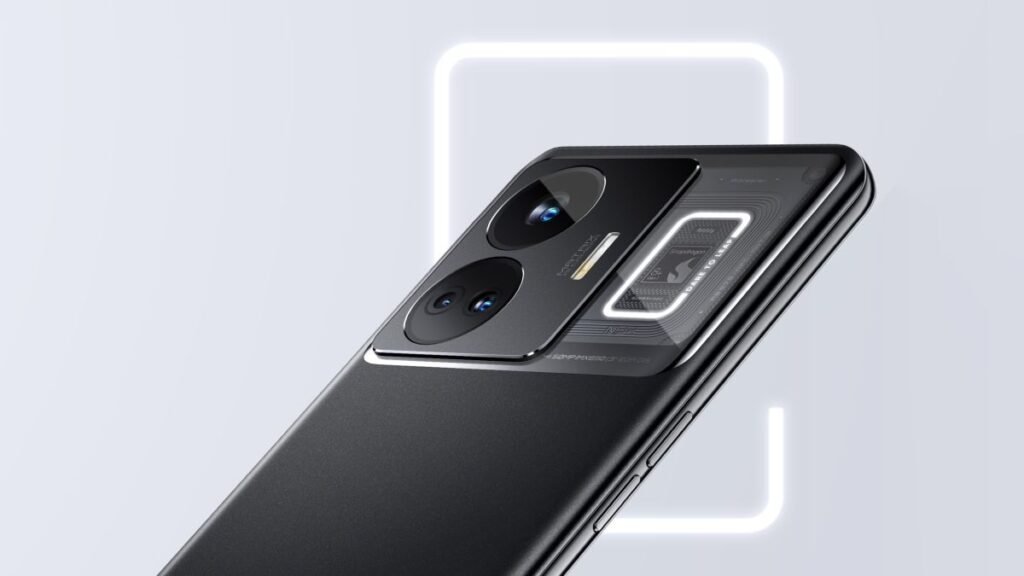
Realme GT 3 240W 📱

Realme GT 3 with 240W Charging Support 🔌

When we compare 80% against 91% capacity after two years, the difference extends far beyond a number on a spec sheet:

#200W ⚡ vs 65W

80% Battery Capacity: You will likely notice shorter screen-on times 🔋🪫, rapid drainage during intensive tasks, and the need to charge more frequently by midday 🕛. The phone essentially feels “tired” after a couple of years.

91% Battery Capacity: The battery feels much closer to its “out of the box” state ✨, offering reliable endurance and steadier performance throughout the day.

Practically speaking, owning a device with 200W charging means you may need to adopt battery conservation strategies sooner 🛡️. This could involve limiting full charges to 100%, enabling optimized charging features, or manually reducing high-wattage usage.

3. Why Faster Charging Affects Battery Health 🧪

It may seem counterintuitive that efficiency could hurt health, but the reasons are rooted in electrochemistry:

Heat 🔥: Ultra-fast charging generates significant internal heat during the process. Heat is the primary accelerator of battery aging, speeding up chemical reactions that degrade electrode materials over time 🌡️.

Charge Stress ⚡: High-wattage charging pushes a massive amount of current into the battery simultaneously. This places increased stress on the lithium-ion cells, leading to faster capacity loss across multiple cycles ⛓️.

Thermal Management ❄️: Modern flagships utilize advanced cooling—such as graphite layers, vapor chambers, and smart algorithms—to reduce heat and mitigate degradation. However, these systems only dampen the long-term impact; they do not eliminate it. A phone with 200W charging won’t fail overnight, but it will show signs of aging sooner than a 65W equivalent under the same usage patterns.

4. OPPO’s Surprising Case 😲

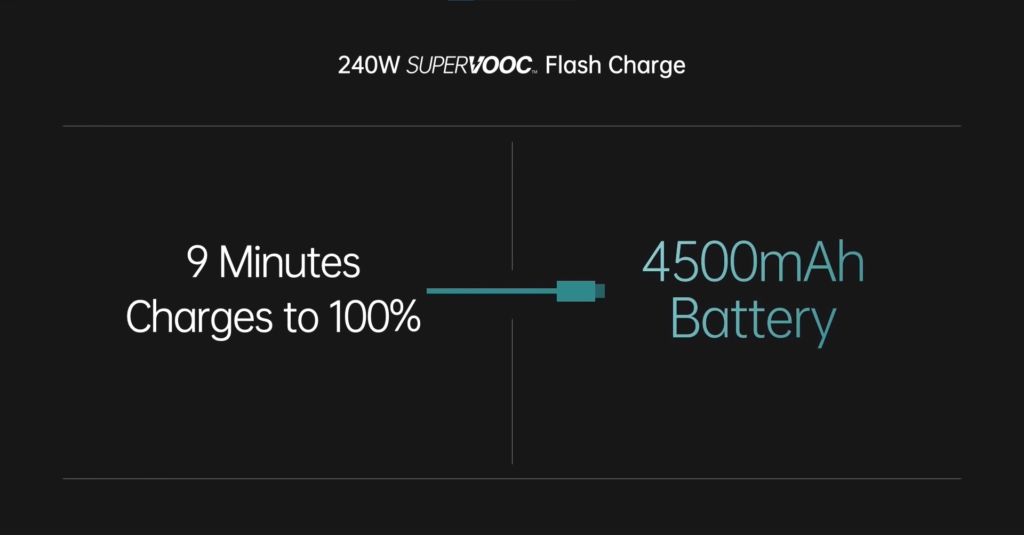
OPPO 240W SuperVOOC ⚡

Interestingly, real-world testing reveals that implementation matters. In some instances, a 150W charging solution (like OPPO’s) has been shown to outlast even faster 240W alternatives. Some scenarios showed it achieving nearly double the cycle life (approx. 1,600 cycles) before reaching similar degradation levels 📈. This highlights that how fast charging is engineered—including software control, cell chemistry, and thermal design—is just as critical as the wattage itself 🛠️.

5. Should You Avoid Fast Charging? 🤔

Ultra-fast charging isn’t inherently bad. In fact, it is incredibly convenient, particularly if your lifestyle demands quick power-ups between meetings or while traveling ✈️. Given the massive improvements in battery tech recently, these devices still retain decent capacity after a few years. However, because faster charging accelerates capacity loss compared to moderate speeds, here is how you can balance convenience with longevity 💡:

Stick to standard charging speeds (30–65W) for overnight or top-off charging 🔌.

Reserve super-fast charging for when you genuinely need the speed 🚀.

Enable battery care features and Super OTA battery management options if your device offers them 📲.

Avoid charging in extreme thermal environments, such as hot cars or under direct sunlight ☀️.

Leave a Reply

Your email address will not be published. Required fields are marked *

Trending

© Copyright 2026 | All rights reserved | Technews89.com