Tech
200W 


Discover the trade-off between 200W and 65W fast charging. Learn how ultra-fast speeds affect long-term battery health and capacity after two years of use.
Fast charging has become the primary battlefield 


#200W
While daily top-ups offer convenience, battery cycle life remains the truest indicator of long-term durability 


This translates to significantly better longevity and less capacity loss after two years of typical usage 


2. What These Percentages Mean in Real Use 
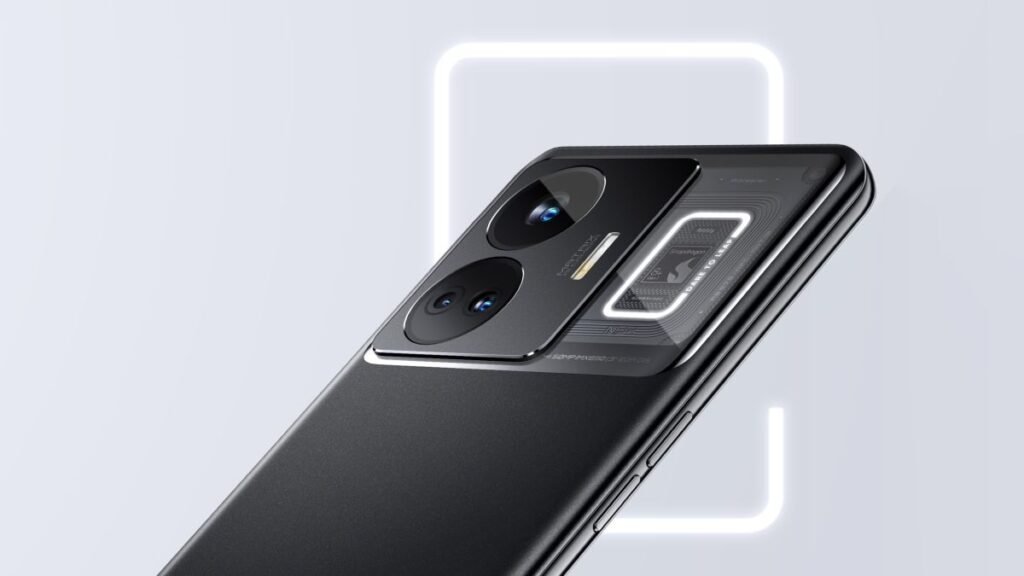
Realme GT 3 240W 
Realme GT 3 with 240W Charging Support 
When we compare 80% against 91% capacity after two years, the difference extends far beyond a number on a spec sheet:

#200W
80% Battery Capacity: You will likely notice shorter screen-on times 

91% Battery Capacity: The battery feels much closer to its “out of the box” state 
Practically speaking, owning a device with 200W charging means you may need to adopt battery conservation strategies sooner 
3. Why Faster Charging Affects Battery Health 
It may seem counterintuitive that efficiency could hurt health, but the reasons are rooted in electrochemistry:
Heat 

Charge Stress 
Thermal Management 
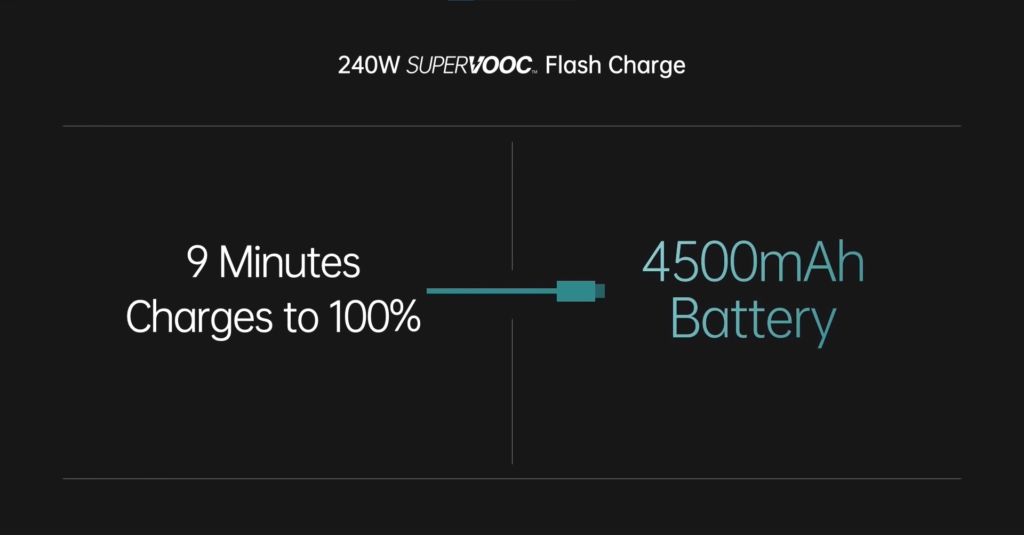
4. OPPO’s Surprising Case 
OPPO 240W SuperVOOC
Interestingly, real-world testing reveals that implementation matters. In some instances, a 150W charging solution (like OPPO’s) has been shown to outlast even faster 240W alternatives. Some scenarios showed it achieving nearly double the cycle life (approx. 1,600 cycles) before reaching similar degradation levels 

5. Should You Avoid Fast Charging? 
Ultra-fast charging isn’t inherently bad. In fact, it is incredibly convenient, particularly if your lifestyle demands quick power-ups between meetings or while traveling 

Stick to standard charging speeds (30–65W) for overnight or top-off charging
Reserve super-fast charging for when you genuinely need the speed 
Enable battery care features and Super OTA battery management options if your device offers them 
Avoid charging in extreme thermal environments, such as hot cars or under direct sunlight 