
Smartphones
📱 Motorola Signature vs Samsung Galaxy S25: The $660 Flagship That Beats Samsung 🥊

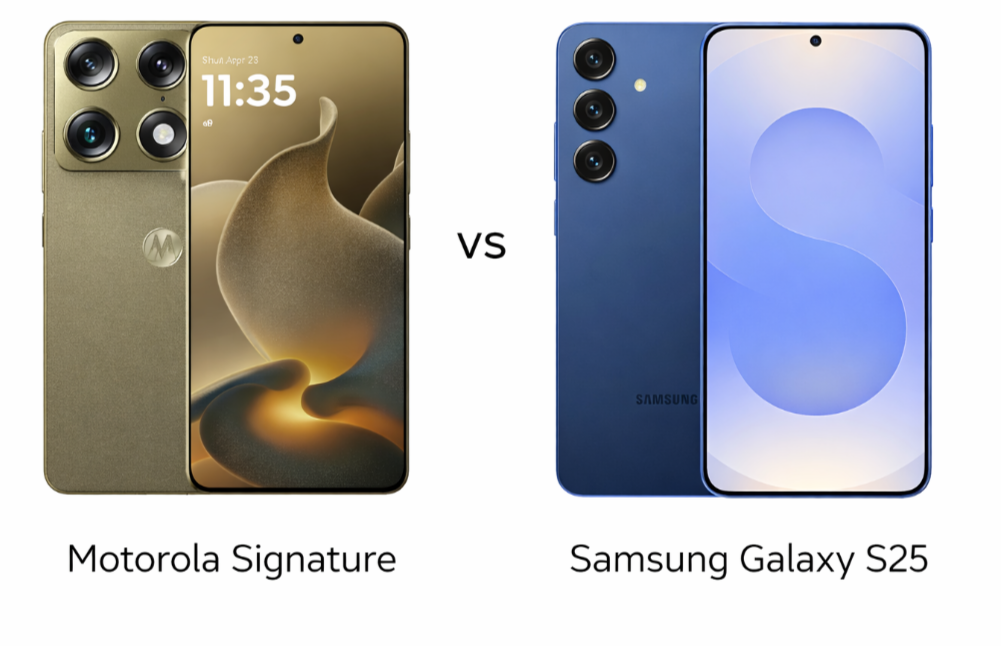
Motorola Signature vs Samsung Galaxy S25: Can a $660 flagship really beat Samsung? We compare hardware, durability, and value to find the best premium smartphone.
Selecting a flagship smartphone today is no longer just a question of brand allegiance; it is a calculation of performance, innovation, and tangible value. ⚖️ The Motorola Signature crashes into the premium segment with aggressive hardware and a competitive price point, challenging the Samsung Galaxy S25, which represents a refined, ecosystem-first approach to excellence. 💎 With both devices promising long-term software support and utilizing cutting-edge silicon, this comparison aims to uncover which device represents the smarter investment for your wallet. 💡
📩 Please Note: When you buy something using the links in our articles, we may earn a small commission at no cost to you. 🛒
Major Features:
| Feature | Motorola Signature | Samsung Galaxy S25 | Winner |
|---|---|---|---|
| Display | 6.8″ LTPO AMOLED, 165Hz, 6200 nits, Dolby Vision | 6.2″ Dynamic LTPO AMOLED 2X, 120Hz, 2600 nits | Motorola – Higher refresh rate & brightness |
| Performance | Snapdragon 8 Gen 5, up to 16GB RAM, UFS 4.1 | Snapdragon 8 Elite, 12GB RAM, UFS 4.0 | Motorola – More RAM & newer storage |
| Battery & Charging | 5200mAh, 90W wired, 50W wireless | 4000mAh, 25W wired, 15W wireless | Motorola – Bigger battery & much faster charging |
| Cameras | Triple 50MP (wide + periscope 3x + ultrawide), 50MP selfie | 50MP + 10MP 3x + 12MP ultrawide, 12MP selfie | Motorola – Stronger hardware setup |
| Software & Ecosystem | Android 16, 7 upgrades, Smart Connect, UWB | Android 15, 7 upgrades, One UI 8, Samsung DeX | Samsung – Better ecosystem integration |
| Price | ~$660 / ₹59,000 | ~$800 / ₹75,000 | Motorola – More value for money |
The Motorola Signature is built to survive, featuring Gorilla Glass Victus 2 on the front paired with a sturdy aluminum frame. 🛡️ Beyond standard luxury, it carries IP68/IP69 protection and MIL-STD-810H compliance. 🌊 It feels undeniably premium, yet it is engineered for durability, clearly targeting users who demand flagship elegance that doesn’t need to be babied. 💪
In contrast, the Samsung Galaxy S25 utilizes Gorilla Glass Victus 2 on both the front and back, held together by an Armor Aluminum 2 frame and a standard IP68 rating. 🏗️ Its primary advantage is its compact form factor, which is significantly more pocket-friendly and optimized for one-handed use. 🧤 Samsung’s finish feels polished and sophisticated, whereas Motorola leans into a bolder, performance-centric design philosophy. ✨
Display Quality 📺
Motorola is pushing boundaries with a massive 6.8-inch LTPO AMOLED panel. It boasts a blistering 165Hz refresh rate, Dolby Vision, HDR10+, and an eye-searing 6200-nit peak brightness. ⚡ This screen is purpose-built for immersive gaming and perfect visibility even under direct sunlight. ☀️
Samsung counters with a more restrained 6.2-inch Dynamic LTPO AMOLED 2X display, capping at 120Hz and 2600-nit peak brightness. 🌈 While it is physically smaller and less bright on paper, it delivers the sharp visuals and balanced color tuning that Galaxy fans have come to expect. 👁️
Verdict 🏆
Motorola takes the crown for sheer specifications and brightness. Samsung remains the choice for those who prefer a compact, refined display for everyday comfort. 🤏
2. Specifications Including Battery ⚙️
Performance
Under the hood, the Motorola Signature runs on the Snapdragon 8 Gen 5 (3nm), supported by up to 16GB of RAM and UFS 4.1 storage. 🏎️ It is tuned for raw velocity and future-proof performance, backed by a promise of Android 16 and seven major OS upgrades. ⏭️
The Galaxy S25 features the Snapdragon 8 Elite (3nm), paired with 12GB of RAM and UFS 4.0 storage. 🌀 Samsung focuses heavily on optimization via One UI 8, ensuring smooth multitasking and efficient thermal management. 🤝 While Motorola emphasizes peak power, Samsung prioritizes stability and the polish of its ecosystem. 🏢
Battery and Charging 🔋
Power management is where the divide widens. Motorola packs a substantial 5200mAh battery capable of 90W wired charging, 50W wireless charging, and reverse charging. 🔌 It clearly prioritizes endurance and rapid top-ups. ⚡
Samsung sticks to a 4000mAh battery with 25W wired and 15W wireless charging. 🐢 While reliable enough for average use, these speeds are conservative and no longer class-leading in the current market. ⏳
Verdict 🥇
Motorola dominates with a larger battery and significantly faster charging speeds. Samsung delivers consistent performance but feels stagnant regarding power upgrades. 🔋
3. Camera 📸
Main and Secondary Lenses
For photography enthusiasts, Motorola equips a versatile triple 50MP setup, including a 3x periscope telephoto and an ultrawide lens, alongside 8K Dolby Vision video recording. 🔭 The use of larger sensors and periscope zoom hardware gives it a distinct advantage in versatility. 🎞️
Samsung employs a 50MP main sensor, a 10MP 3x telephoto, and a 12MP ultrawide lens. It supports 8K video and advanced computational tools like Best Face. 🤳 Samsung’s image processing generally favors vibrant, social-media-ready output, whereas Motorola relies on superior hardware strength and detail retention. 🎨
Selfie Camera 🤳
The Motorola Signature offers a high-resolution 50MP front camera with 4K recording and dual-pixel PDAF, providing it with an edge in clarity and cropping flexibility. ✨
Samsung includes a 12MP dual-pixel selfie shooter with HDR10+ support. It is highly optimized for natural skin tones, making it reliable for video calls and social sharing. 🗣️
Verdict 🔬
Motorola wins on raw camera hardware and resolution. Samsung excels in computational photography and reliable color science. 🖼️
4. Pricing 💵
The Motorola Signature is priced aggressively at approximately $660 / ₹59,000. 💰 Considering the hardware package—a 165Hz display, 90W charging, periscope zoom, and a 5200mAh battery—it delivers exceptional value for money. 📈
The Samsung Galaxy S25 sits at a higher price point of approximately $800 / ₹75,000. 🏷️ This premium reflects the brand’s reputation, deep ecosystem integration, and software refinement. Historically, Samsung devices also maintain better resale value. 📉
Motorola undercuts Samsung by a significant margin while offering higher peak specifications. 💸 Samsung justifies the extra cost through software optimization, the appeal of a compact flagship, and ecosystem continuity. 🏢
Disclaimer: ⚠️
Prices are approximate and may vary based on country, region, and applicable taxes. 🌍
Verdict ⚖️
Motorola offers superior hardware value for the price. Samsung commands a premium for its polish, brand strength, and ecosystem benefits. 🌟
5. Conclusion 🏁
The Motorola Signature distinguishes itself with a stunning 165Hz ultra-bright display, 90W fast charging, a 50MP triple camera system with periscope zoom, UWB support, and Bose-tuned audio. 🔊 It is a performance flagship designed to impress both on paper and in real-world usage. 🚀
Samsung differentiates itself through the refinement of One UI, the desktop-like experience of Samsung DeX, a compact design, and long-term reliability. 💻 It feels like a cohesive, mature product rather than an experimental powerhouse. 🏛️
Verdict ✅
For most buyers, the Motorola Signature is the better overall pick, delivering more flagship hardware for significantly less money. 👑
The Galaxy S25 remains the ideal choice for those who value the Samsung ecosystem, compact ergonomics, and software refinement over raw technical specifications. 📱✨
Motorola Signature
Samsung Galaxy S25 5G



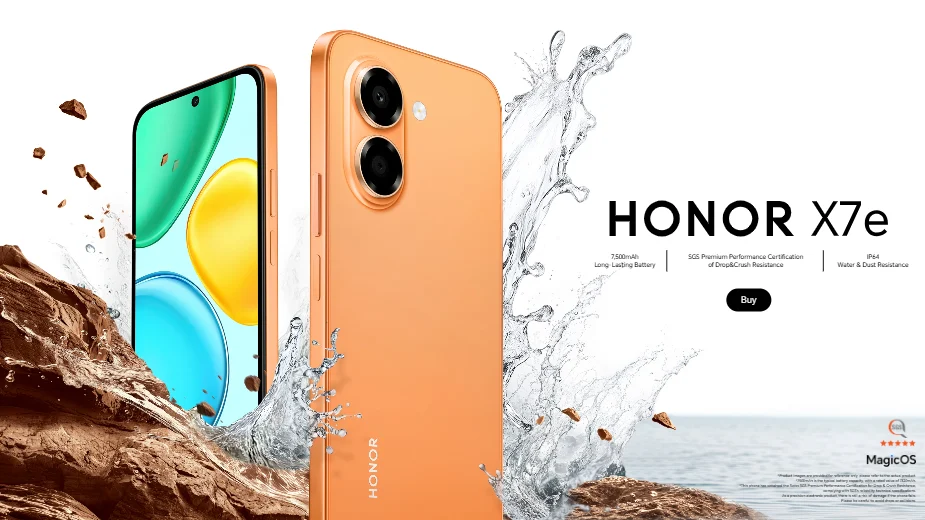
Honor is rapidly expanding 🚀 its budget-friendly 💎 X-series lineup with a 5G-capable sibling to the recently unveiled X7e. Dubbed the Honor X7e Plus 5G, this upcoming smartphone 📱 has already surfaced on multiple certification databases, signaling an imminent launch in key global markets 🌍, including the UAE, Europe, and the Middle East.
The device made its initial appearance 🔍 on the UAE’s TDRA certification platform under equipment registration number ER60470/26, dated June 11, 2026. This listing explicitly links the model number MRK-NX1 to the “Honor X7e Plus 5G,” confirming next-gen cellular connectivity 📶—a notable upgrade over the standard 4G-only X7e. Prior to this, the phone was spotted in the SGS certification database (registration FI-69290), which detailed standard safety compliance 🛡️, lithium battery specifications 🔋, and regulatory approvals for both European and Saudi Arabian markets.
To put this into context, the base Honor X7e recently debuted in Malaysia as a highly competitive, value-focused 4G device. It boasts an impressive 7,500mAh battery 🔋 paired with 45W fast charging ⚡, a 6.61-inch HD+ LCD display with a smooth 120Hz refresh rate 🧊, and is powered by a MediaTek Helio G81 Ultra chipset. Out of the box, it runs MagicOS 10 based on Android 16. It also offers practical durability features 🛠️, including an IP64 dust and water resistance rating alongside an SGS 5-star certification 🏆 for drop and crush resistance.
While the certification listings for the X7e Plus 5G do not disclose its complete spec sheet, the transition to 5G points to a more robust processor 🧬. Beyond unlocking faster network speeds 🚀, this upgraded chipset should deliver a noticeable performance boost, allowing the phone to handle multitasking and casual gaming 🕹️ with greater ease.
Official details regarding pricing 💰, full specifications, and regional release dates remain under wraps for now, but development seems to be progressing rapidly. If you are looking for an affordable 5G smartphone that prioritizes exceptional battery life 🔋, the Honor X7e Plus 5G is certainly a device worth watching 🔮.
Smartphones
✨ While it is exciting to see Xiaomi giving the Xiaomi 14 Pro a notable battery upgrade 🔋
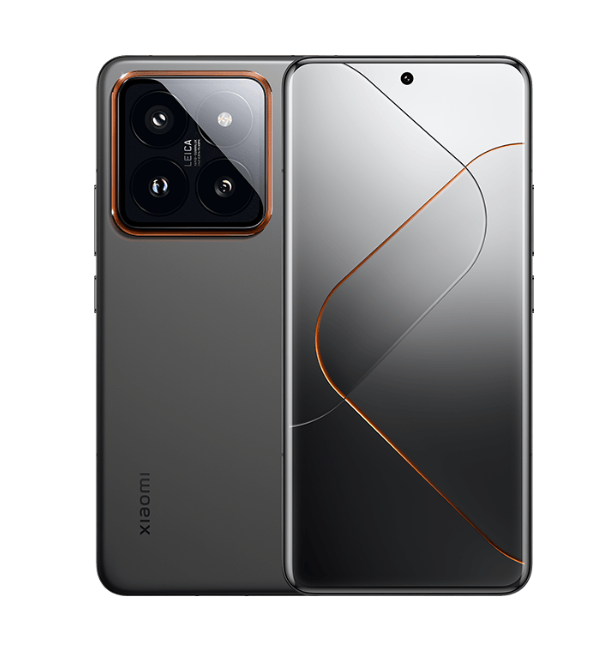
🔋 Xiaomi’s innovative battery upgrade program, which recently debuted for the Xiaomi 13 series, appears to be making its way to the Xiaomi 14 lineup next. 🚀 A newly spotted network access certification strongly suggests that a high-capacity battery upgrade service is in the works for the Xiaomi 14 Pro.
🔍 What the Certification Reveals
📋 A device carrying the model number 23116PN5BC was recently re-registered for network access approval with Chinese telecom authorities. 🇨🇳 Unsurprisingly, this model corresponds to the Xiaomi 14 Pro.
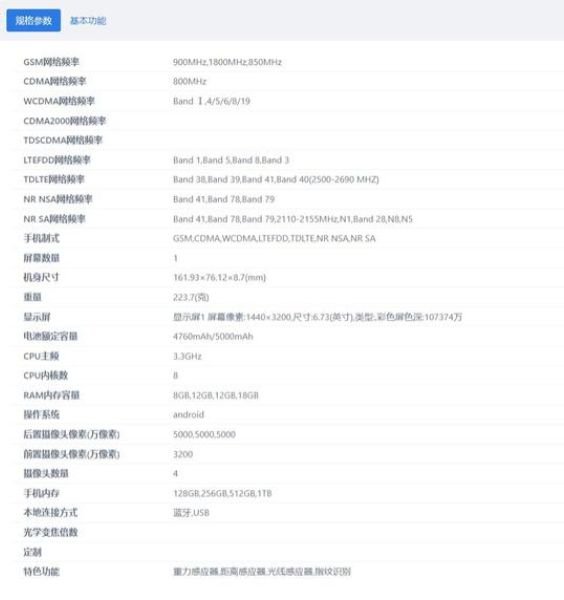
⚙️ As expected, the core specifications remain unchanged: the phone still boasts a 6.73-inch 1440×3200 display 📱, a Snapdragon 8 Gen 3 octa-core processor clocked at 3.3 GHz 🧠, RAM configurations ranging from 8GB to 18GB ⚡, and up to 1TB of internal storage 💾.
📝 Xiaomi 14 Pro Battery Upgrade Registration
⚡ However, there is one standout difference in the new filing: the battery capacity. 🔋 While the original Xiaomi 14 Pro launched with a 4,880 mAh typical battery capacity, this newly certified variant lists a 5,000 mAh typical capacity—marking a neat 120 mAh increase. 📈 Interestingly, the rated capacity remains listed at 4,760 mAh for both versions.
🗣️ According to insights from the prominent Weibo tipster Digital Chat Station 🕵️♂️, this re-registration serves as a verification step for a device with an expanded battery. This suggests Xiaomi is actively preparing the groundwork for an upcoming battery upgrade service for the Xiaomi 14 series. 🛠️
👣 Following in the Xiaomi 13’s Footsteps
📅 This initiative mirrors a program Xiaomi introduced in April 2026 for the Xiaomi 13 series, which covered the standard Xiaomi 13, 13 Pro, and 13 Ultra. 🔄 Rather than simply replacing an old battery with a fresh one of the same capacity, this program allowed users to swap in physically denser, higher-capacity cells. 🔋
📈 Under that program, the Xiaomi 13’s battery could be bumped from 4,500 mAh to 4,850 mAh, the 13 Pro’s from 4,820 mAh to 5,361 mAh, and the 13 Ultra’s from 5,000 mAh to 5,500 mAh. 💰 Remarkably, this service was priced at just 189 yuan, which covered both the new battery and the labor. 🛠️
👑 Xiaomi 14 Pro
🤝 The Xiaomi 14 series is the logical next candidate for this consumer-friendly service. 📱 Natural battery degradation is one of the primary reasons users feel forced to retire otherwise perfectly functional smartphones. 📉 By offering an official path to not just restore but actually improve battery life, Xiaomi is directly tackling planned obsolescence. ♻️
🇨🇳 Xiaomi has a history of running promotional maintenance campaigns in China, frequently hosting dedicated service weeks throughout the year to offer discounted battery replacements. 🔧 You can read more about Xiaomi’s battery replacement initiatives here. 🔗
Smartphones
OnePlus Turbo 6X, 6X Pro Debuts with 144Hz Displays 📱, Up to 8,000mAh Batteries 🔋, and Dimensity Power ⚡
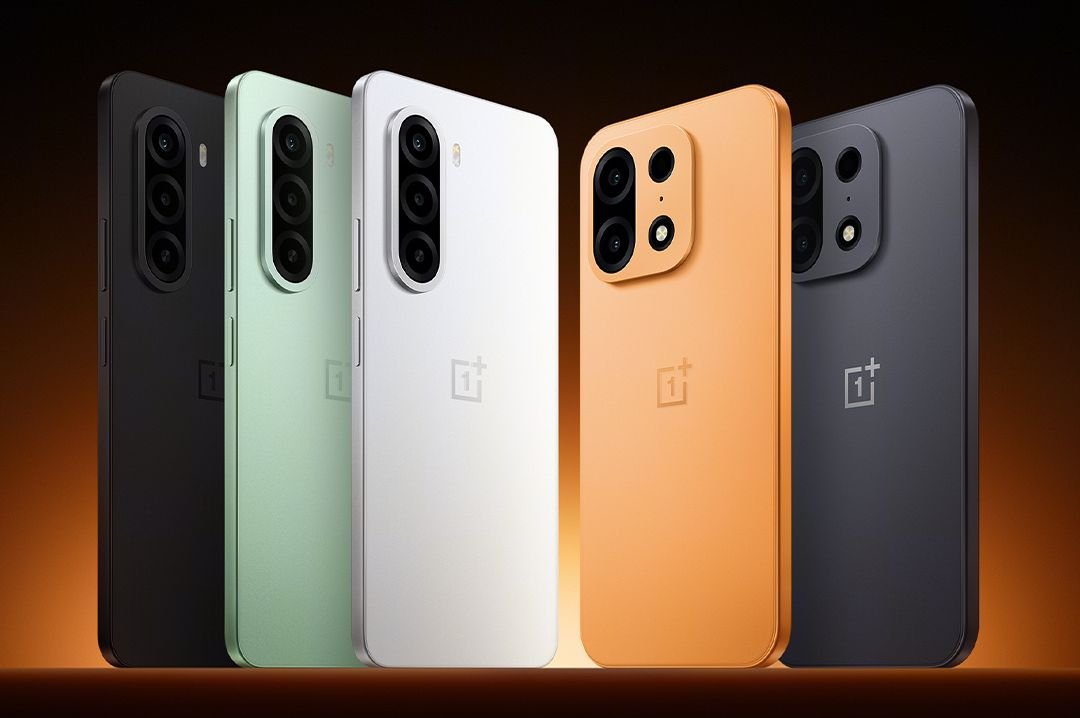
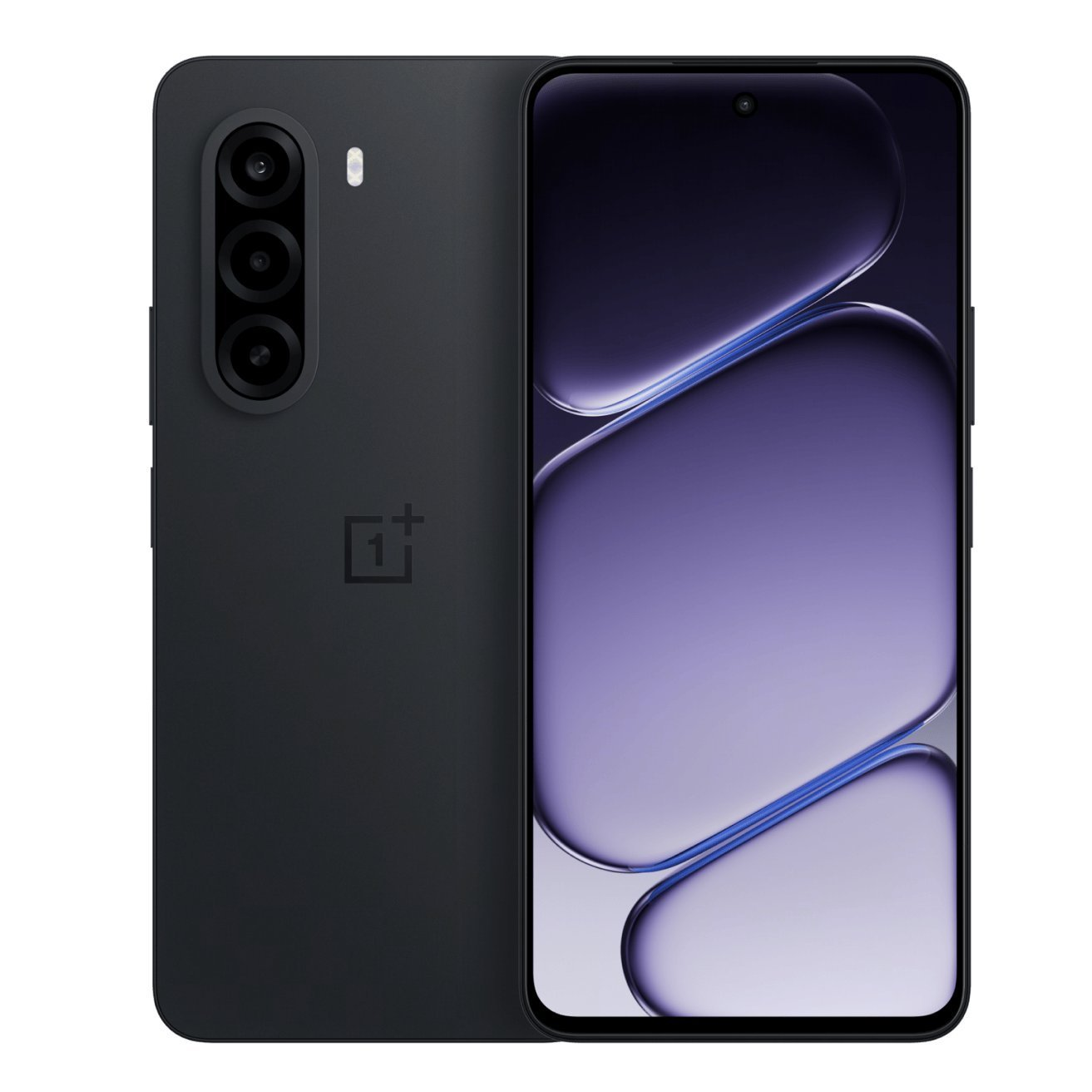
OnePlus has officially expanded its Turbo lineup in China 🇨🇳 with the debut of the OnePlus Turbo 6X and the Turbo 6X Pro 📱. Designed to appeal to distinct user preferences, the premium Pro model boasts a massive battery 🔋, a stunning AMOLED display ✨, and an advanced camera system 📸, while the standard Turbo 6X remains an attractive choice for those who still prefer high-quality LCD screens 📺. Read on for a closer look 🔍 at the specifications, key features, and pricing for the new Turbo 6X series.
#Turbo 6X, 6X Pro
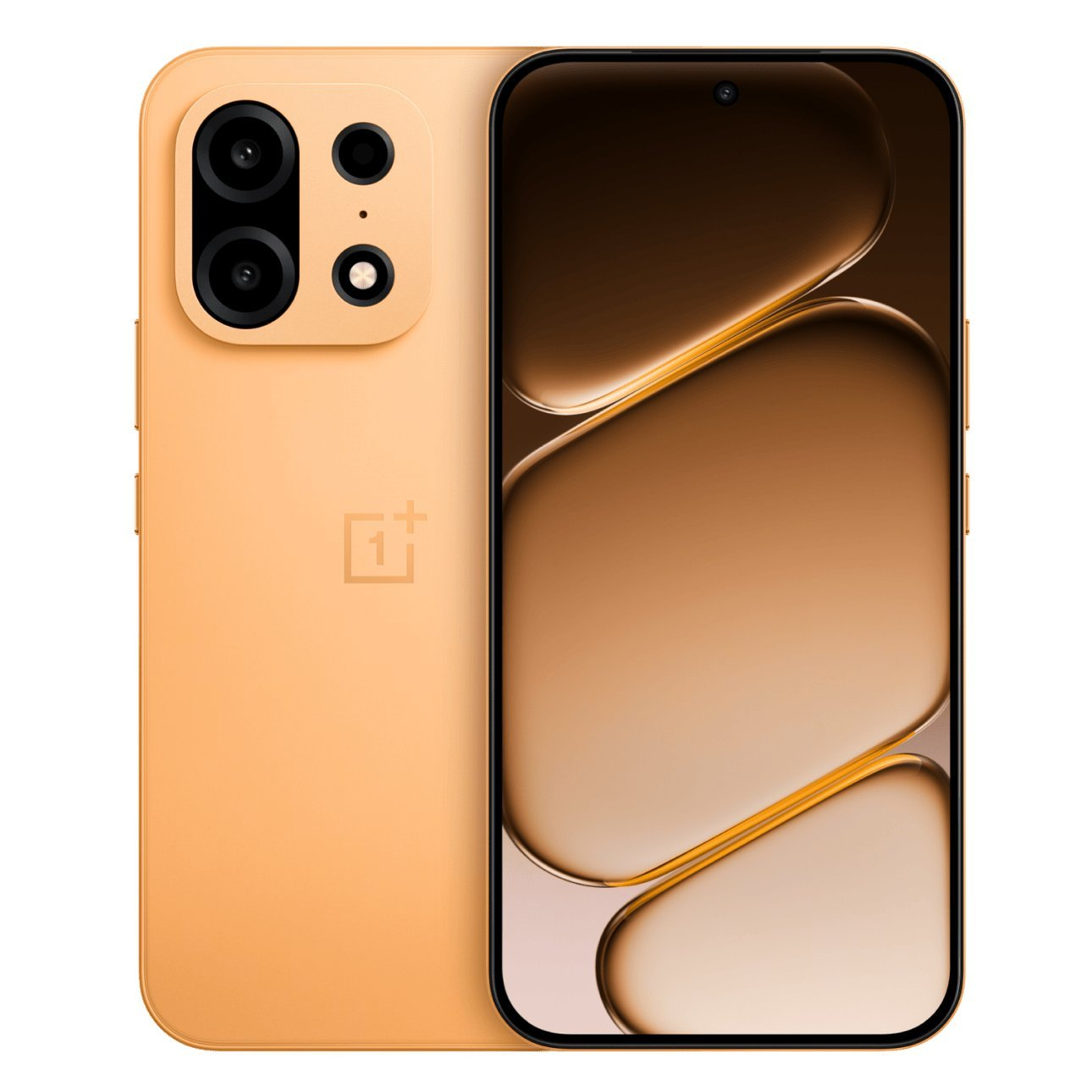
Under the hood ⚙️, the OnePlus Turbo 6X Pro is driven by the MediaTek Dimensity 7400 Super chipset 🚀, paired with fast UFS 3.1 storage ⚡. Up front, it sports a gorgeous 6.78-inch OLED display 📱 with a crisp 2772 x 1272 resolution, a fluid 144Hz refresh rate 🔄, and an impressive brightness profile of 1,400 nits (full-screen) and 3,600 nits (peak) ☀️. The screen also supports Always-On Display (AOD) functionality ⏰ and an ultra-responsive 3,000Hz instant touch sampling rate ⚡. On the imaging front, the device features a 16MP selfie camera 🤳 and a dual-rear camera array led by an OIS-enabled 50-megapixel OV50D40 primary sensor 📸 alongside an 8-megapixel ultra-wide lens 📐.
OnePlus Turbo 6X Pro 🔥
One of the Pro’s standout features is its colossal 8,000mAh battery 🔋, which supports 80W fast charging ⚡, 80W UFCS, and 55W PPS standards, alongside bypass charging for sustained gaming sessions 🎮. Rounding out its premium feature set are an optical in-display fingerprint scanner 👆, dual stereo speakers 🔊, NFC 💳, Bluetooth 5.4 📶, an infrared blaster 📡, a flagship-grade gyroscope 🧭, and Wi-Fi 5 🌐. It also boasts exceptional durability with IP66, IP68, IP69, and IP69K dust and water resistance ratings 🛡️💦. The phone measures 162.6 x 77.6 x 8.8mm and weighs 213 grams ⚖️.
#Turbo 6X, 6X Pro
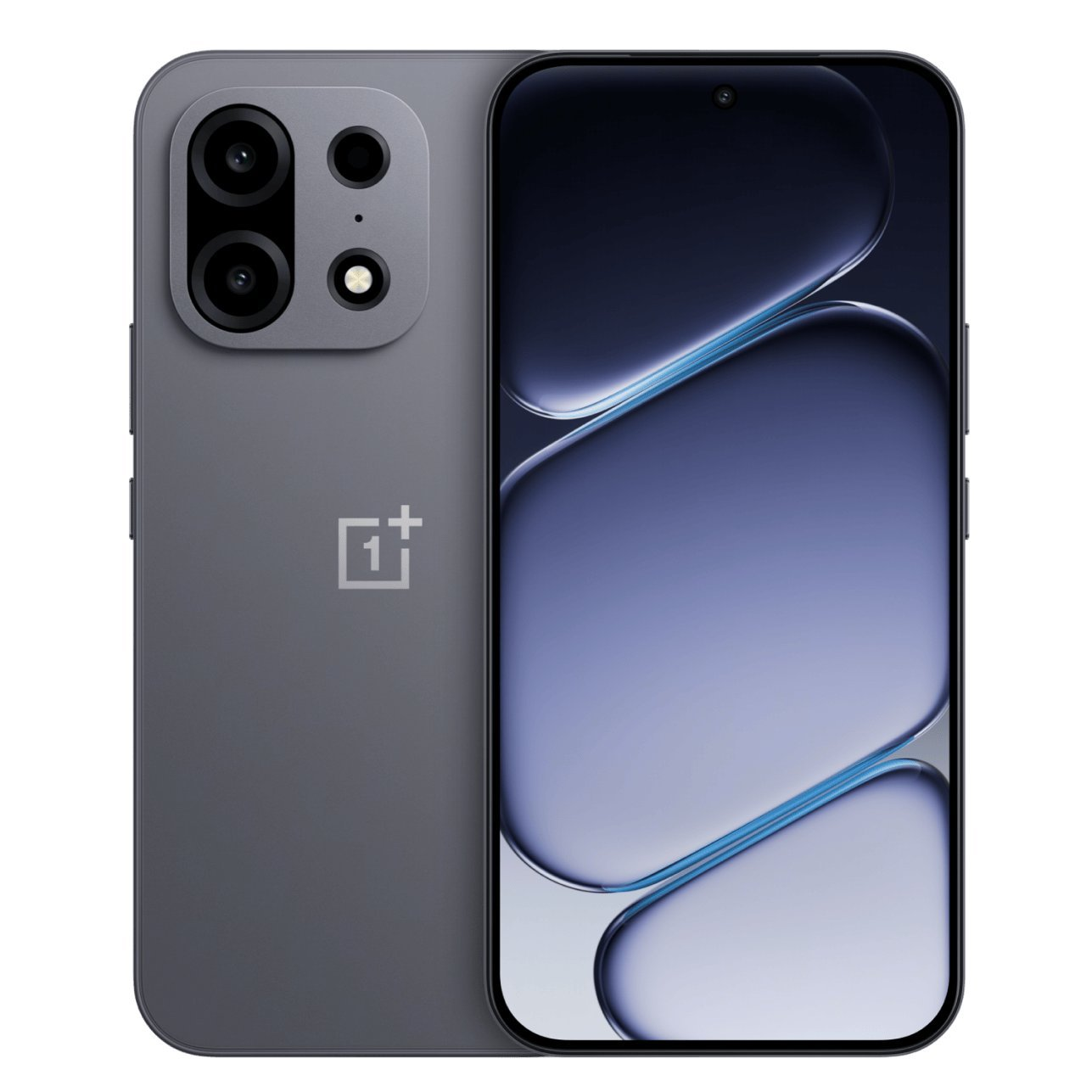
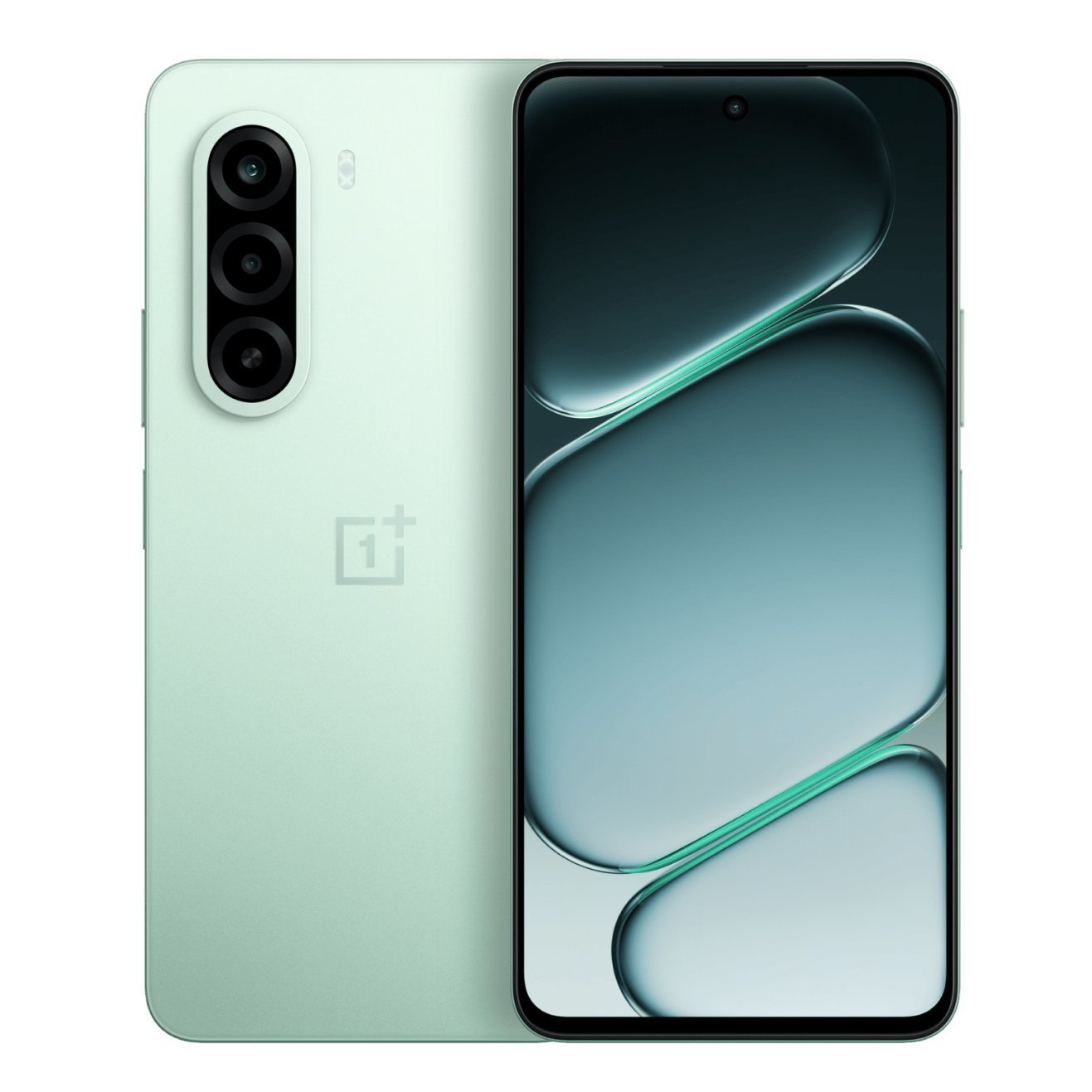
Meanwhile, the standard OnePlus Turbo 6X is powered by the MediaTek Dimensity 7360 SUPER processor ⚙️. It features a 6.72-inch LCD screen 📱 with a Full HD+ resolution and a matching 144Hz refresh rate 🔄. For optics, it houses an 8MP front-facing camera 🤳, while the rear panel gets a 50-megapixel OV50D40 main sensor paired with a 2-megapixel depth camera 📸. Keeping the lights on is a robust 7,000mAh battery 🔋 that supports 45W fast charging ⚡.
#Turbo 6X, 6X Pro
Additional amenities for the standard model include a side-mounted fingerprint scanner 👆, an IP64 rating for dust and splash resistance 🛡️, and ColorOS 16 out of the box 📦. It also supports Wi-Fi 5 🌐, Bluetooth 5.4 📶, and NFC 💳, all packaged within a sleek plastic frame 📱. The device measures 165.85 x 76.0 x 8.55mm and weighs 208 grams ⚖️.
OnePlus Turbo 6X, Turbo 6X Pro price and availability 💰
The OnePlus Turbo 6X starts at 1,499 yuan (~$220) 💵 for the base 8GB+128GB configuration. The 8GB+256GB and 12GB+256GB models are priced at 1,699 yuan (~$250) and 1,999 yuan (~$295), respectively. It is available in Green 🟢, White ⚪, and Black ⚫ color options.
For the OnePlus Turbo 6X Pro, pricing begins at 1,699 yuan (~$250) 💵 for the 8GB+128GB variant. The 8GB+256GB option is priced at 1,899 yuan (~$280), while the top-tier 12GB+256GB model retails for 2,199 yuan (~$320). It is offered in two striking colorways: Heart’s Desire Orange 🧡 and Racing Black 🖤.
#Turbo 6X, 6X Pro
As of now, it is highly likely that the Turbo 6X series will remain exclusive to the Chinese market 🇨🇳.

Tech4 months ago
JBL Live 780NC and Live 680NC Debut 🎉 in India: Featuring True Adaptive ANC, Spatial Audio, and Up to 80 Hours of Battery Life 🔋

Tech4 months ago
Vivo X Fold 6 Set to Redefine Foldables with a 7,000mAh Battery 🔋 and IPX8/IPX9 Durability 🛡️

Tech4 months ago
Why Next-Gen AI Smartphones May Ditch LPDDR for LLW 🪐

Entertainment9 years ago
The final 6 ‘Game of Thrones’ Trailer

Smartphones5 months ago
Oppo Android 17 (ColorOS 17) update: Full list of eligible devices 📱📲

Entertainment9 years ago
The old and New Edition cast comes together to perform

Videos5 months ago
Vivo X Fold 6 with Dimensity 9500 ⚙️, 200MP triple cameras to launch by June end 🚀

Videos8 months ago
Marvel Tōkon: Fighting Souls 🥊 arrives on PS5 and PC 🎮 this August 6, bringing the X-Men ❌ along for the ride.

Entertainment8 months ago
Samsung Galaxy Unpacked 2026 📅: The Galaxy S26 series ✨,
-
 Entertainment9 years ago
The final 6 ‘Game of Thrones’ Trailer
-
 Smartphones5 months ago
Oppo Android 17 (ColorOS 17) update: Full list of eligible devices 📱📲
-
 Entertainment9 years ago
The old and New Edition cast comes together to perform
-

 Buying9 years ago
Phillies’ Aaron Altherr makes mind-boggling barehanded play
-

 Videos9 years ago
Uber and Lyft are finally available in all of New York State
-

 Entertainment9 years ago
Disney’s live-action Aladdin finally finds its stars
-

 Buying9 years ago
Steph Curry finally got the contract he deserves from the Warriors
-

 Smartphones9 months ago
OnePlus 16 May Borrow Massive 9,000mAh Battery From Turbo 6 Series 🔋⚡