
Entertainment
🎬 Xiaomi Bets Big on Cinema, Sports, and Gaming with Its Largest TV Yet 📺

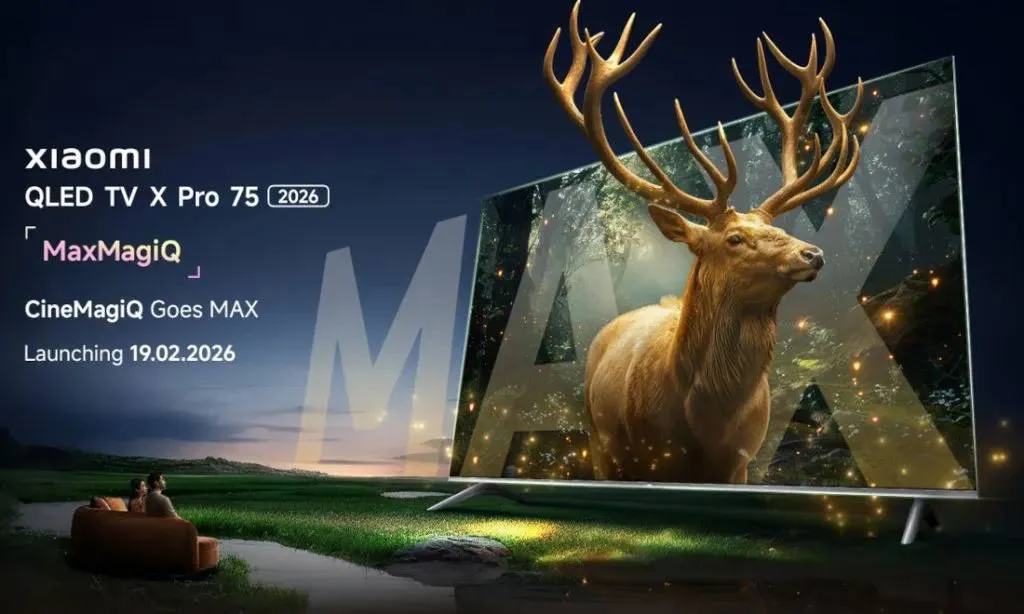
Xiaomi launches the QLED TV X Pro 75 in India on Feb 19, featuring the MaxMagiQ AI engine, dedicated sports processing, and premium gaming capabilities.
Xiaomi is preparing to make a significant splash in the Indian home entertainment market 🇮🇳 on February 19th 🗓️ with the launch of the QLED TV X Pro 75 2026. This release marks a long-awaited return to the large-screen segment for the brand, as its last 75-inch model hit the shelves back in 2021 🚀. At the heart of this new flagship is “MaxMagiQ,” a proprietary processing engine designed to drive the display’s performance 🧠.
Xiaomi-QLED-TV-X-Pro-75-2026-lau
#Xiaomi-QLED-TV
✨ Key Points:
🗓️ Xiaomi QLED TV X Pro 75 launches in India on February 19, marking the first 75-inch model since 2021
🎨 The “MaxMagiQ” processing engine promises enhancements in contrast, color fidelity, and AI-driven picture optimization
🏏 Dedicated AI sports processing targets cricket fans with motion smoothing and automatic genre detection
🎮 Gaming capabilities are heavily implied, including low-latency modes and support for high refresh rates
🛒 Availability is confirmed across mi.com, Amazon India, and offline retail stores simultaneously at launch
🪄 What MaxMagiQ Does
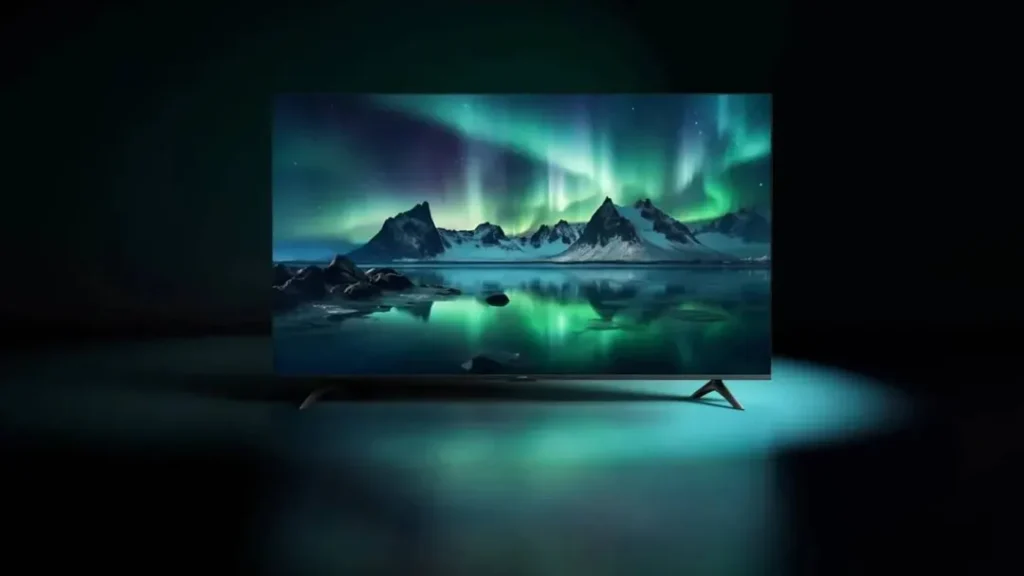
Xiaomi has adopted “MaxMagiQ” as the umbrella nomenclature for the television’s processing suite. While the teaser campaign utilizes the standard marketing tagline of “Bigger. Better. Clearer. ✨,” the promotional artwork places a heavy emphasis on contrast and color depth 🌈. The use of deep space imagery is a deliberate visual cue 🌌, traditionally employed by manufacturers to demonstrate superior black levels 🌑 without immediately revealing technical specification sheets.
📖 Read also
🔊 Xiaomi Turns Up the Volume: Modest 1.5% Growth in a TV Market Catching Its Breath 📈
It remains to be seen whether MaxMagiQ represents a completely new silicon architecture or a rebranding of refined, existing technology; those details will likely be reserved for the official launch event 🎤.
🏏 Cricket Gets Special Attention
Recognizing the local market’s preferences, Xiaomi has carved out a specific feature set dubbed “Sporting MagiQ on MAX.” Cricket imagery dominates the promotional material for this section—a strategic acknowledgment of the sport’s massive following in India 🏟️. The tagline “More intelligence meets legendary screen” suggests that AI picture processing will play a central role in optimizing the viewing experience 🤖.

#Xiaomi-QLED-TV
From a practical standpoint, this likely translates to Motion Estimation, Motion Compensation (MEMC) technology 💨, which is essential for reducing blur during fast-paced action. It may also include auto-genre detection that adjusts picture settings based on the content being played. Fast-moving sports content can often suffer from blurring on larger displays, so addressing this specific pain point is a calculated move to appeal to IPL and test match viewers 🏏.
🍿 Cinema Modes and Gaming Too 🏎️
The “Cinema MagiQ” feature positions the X Pro 75 as a viable home theater centerpiece 🎥. While Xiaomi has not yet confirmed specific HDR formats, the messaging strongly implies the inclusion of dedicated film modes to preserve cinematic intent 🎞️.
Gamers are also catered to under the “Gaming On MAX” banner, which features racing footage and living room setups in its marketing 🕹️. Features such as Auto Low Latency Mode (ALLM) seem a given, ensuring the TV automatically optimizes settings when a console is detected ⚡. However, enthusiasts will have to wait for confirmation regarding HDMI 2.1 bandwidth support, which is crucial for maximizing the potential of the PlayStation 5 and Xbox Series X 🎮.
📖 Read also
💡 Xiaomi brings brighter screens and faster refresh to its S Pro Mini LED 2026 TVs
🔊 Sound Gets Upgraded
The teaser campaign concludes with “MAX Sound,” promising that, “In the end, Sound is even better 🎶.” Built-in speakers on large panels often struggle to deliver audio that matches the screen’s scale 🔉. Whether Xiaomi has significantly upgraded the physical driver hardware or is relying on advanced audio processing software will remain unknown until the device is unveiled 🎙️.
💳 Buy It Here
Sales officially commence on February 19th 📅. Prospective buyers will be able to purchase the television via mi.com, Amazon India, or through physical retail stores on launch day 🛍️.






Samsung Galaxy Unpacked 2026 📅: The Galaxy S26 series ✨, AI 🤖, and other products we expect on February 25 🗓️
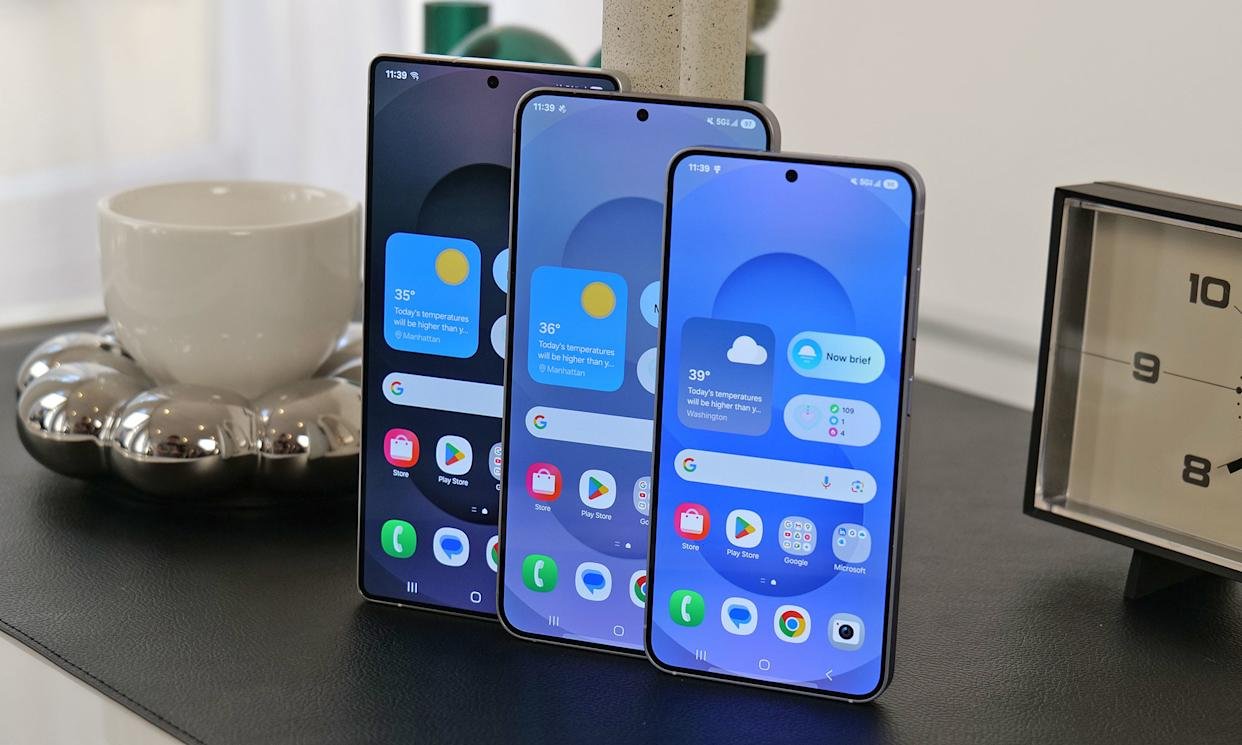
Samsung’s 2025 was a busy year 🐝 defined by new foldables 📂, an ultra-thin form factor 📏, and the debut of Google’s XR platform 👓. Now, following some initial teasers at CES 2026 👀, the company has officially confirmed that its first Galaxy Unpacked of the year is set for February 25 ✅. While the event is expected to headline the Galaxy S26 lineup 📱, specific details remain under wraps 🤫 despite official invites going out. However, as is tradition with major tech launches, the rumor mill 🗞️ has given us a fairly clear picture of what to expect.
#Galaxy S26 series
According to the invites sent out on February 10, the festivities will take place in San Francisco 🌉 on February 25, 2026. The keynote is scheduled for 10AM PT (1PM ET) 🎙️ and will be livestreamed across Samsung.com, the company’s newsroom, and its YouTube channel 📺. The invite teases that this launch marks “a new phase in the era of AI 🧠 as intelligence becomes truly personal and adaptive 💡.” While that sounds like the same industry jargon we’ve heard repeatedly over the last few years, we only have to wait two weeks to see if the company has any genuine surprises in store 🎁 regarding AI.
It appears Samsung is sticking to a philosophy of refinement rather than reinvention 💎 for the Galaxy S26. Leaked images 🔍 suggest the company isn’t planning a radical redesign for the Galaxy S26, S26+, or S26 Ultra, opting instead to maintain the aesthetic established by the Galaxy S25 ✨. We expect to see flat front screens 📱 and frames with rounded corners, along with the familiar vertical pill-shaped camera housing on the rear 📸. Unlike Apple’s distinct shift from the iPhone 16 Pro to the iPhone 17 Pro 🍎, Samsung’s biggest upgrades will likely be found internally, specifically regarding the display technology, chipsets ⚡, and camera sensors.
Under the hood 🏎️, Qualcomm’s new Snapdragon 8 Elite Gen 5 chip is expected to power the entire Galaxy S26 lineup 🔋. However, a report from Korean outlet Yonhap News suggests Samsung may revisit its split-chip strategy, potentially using its own Exynos 2600 processor in certain regions 🌏. Regardless of the silicon 📟, these new devices should offer a solid performance boost over the previous generation 🚀. Models equipped with the Snapdragon 8 Elite Gen 5, in particular, are expected to excel at on-device AI processing 🧠.
One distinct change for the standard Galaxy S26 could be its display size 📏. According to specs shared by leaker Ice Universe, the new phone will feature a 6.3-inch FHD+ screen, making it marginally larger than the 6.2-inch panel found on the Galaxy S25 📱. The device is also expected to ship with 12GB of RAM 💾, storage options of 256GB or 512GB, and a slightly larger 4,300mAh battery 🔋. The camera hardware 📸, however, seems to be carrying over from last year: leaks point to the same 50-megapixel main sensor, 12-megapixel ultrawide, 10-megapixel 3x telephoto, and 12-megapixel selfie camera 🤳. The Galaxy S26+ appears to be an even more iterative update. Aside from the new Snapdragon processor, it will reportedly retain the 6.7-inch FHD+ display, 4,900mAh battery, 12GB of RAM, and the same camera configuration as the base model 📝.
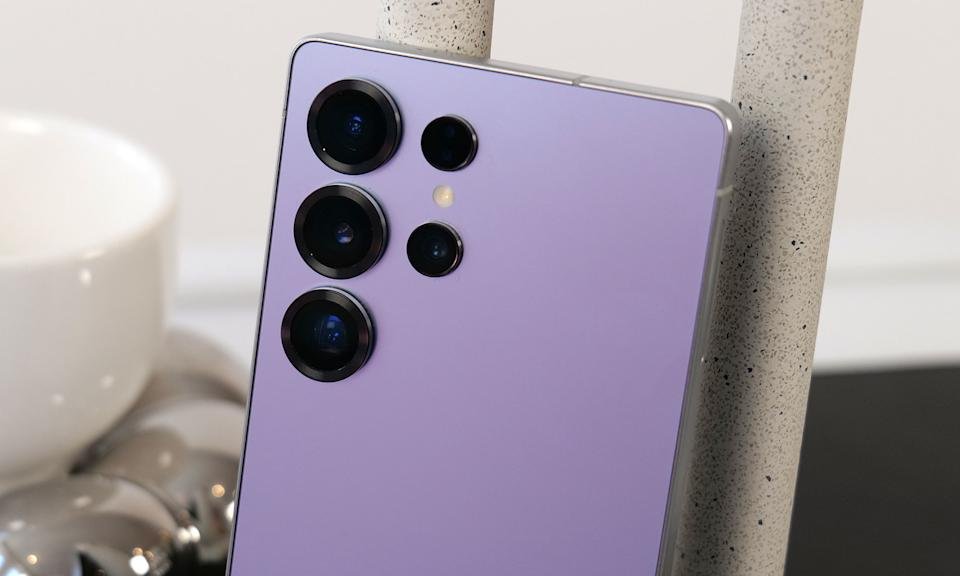
The Galaxy S26 Ultra, however, may offer more tangible differences compared to the S25 Ultra 👑. Android Headlines reports that the new model will feature slightly more raised cameras accented by a new metallic finish 🥈. Interestingly, Samsung might switch back to an aluminum frame for the S26 Ultra 🏗️, moving away from the titanium used on the S24 and S25 Ultra models 🛡️. The most significant internal shift may concern wireless charging; to fully support the Qi2 standard ⚡—rather than just technically working with it via a case—rumors suggest Samsung will remove the S Pen digitizer layer. This would require a new method for stylus input 🖊️, but it could finally allow the S26 Ultra to work seamlessly with magnetic Qi2 accessories 🧲 without the S Pen losing functionality.
Android Headlines also recently published what appear to be full image renders of the S26 series 🖼️. These images generally align with the rumors and leaks we’ve seen so far 🔍. If accurate, they provide a clearer look at the updated camera bump and showcase two of the color variants 🌈 we can expect for the S26 Ultra.
Finally, fans of magnetic accessories might be let down yet again 📉. Despite the Qi2 wireless charging standard introducing convenient magnetic alignment years ago, Samsung has been slow to integrate the feature directly into its hardware 🐢. While the S-series supports the faster charging speeds the spec allows, Nieuwemobiel.nl reports that the S26 series likely won’t have built-in magnets 🧲. This conclusion comes from leaked images of third-party cases featuring magnetic rings, suggesting Samsung will continue its strategy ♟️ of relying on accessories to add magnetic functionality rather than baking it into the phone itself.
Entertainment
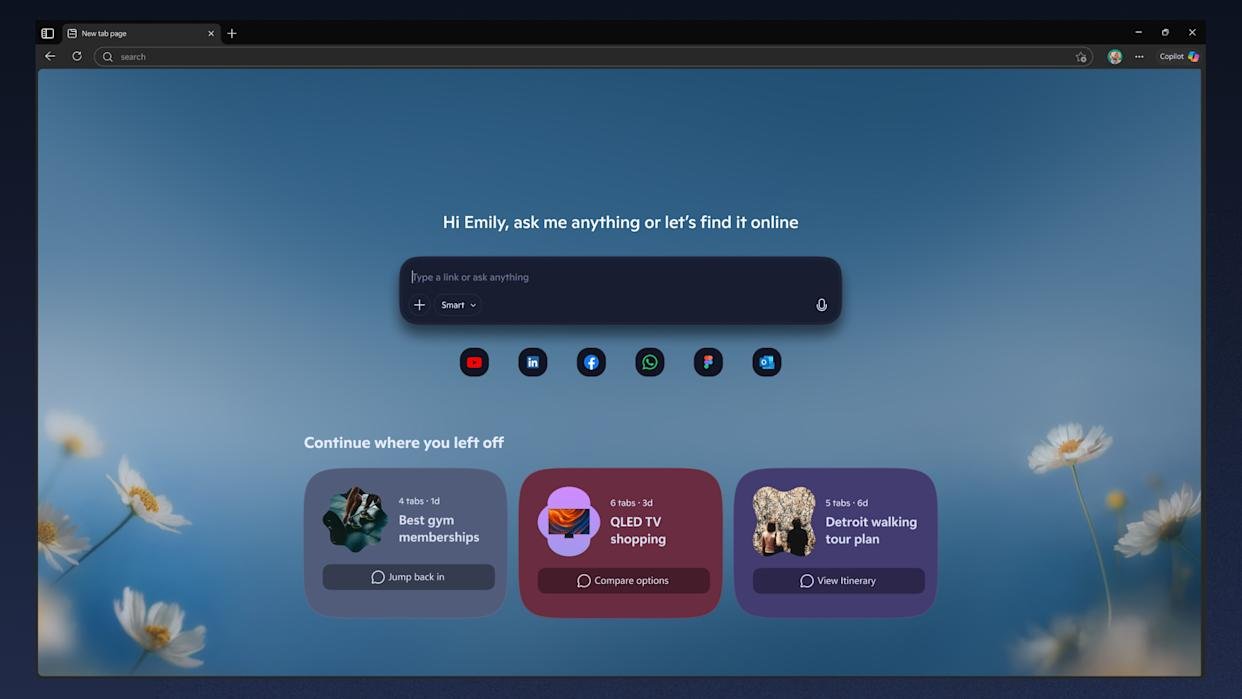
🌐 Web browsers have unexpectedly returned to the forefront of the technology landscape.

Tech1 week ago
Roborock unveils the P20 Max: A vacuum powerhouse with 35,000Pa suction & AI smarts 🤖🌪️🧠

Smartphones1 week ago
Vivo reportedly testing a massive single-cell 12,000mAh smartphone 📱🔋

Tech1 week ago
Xiaomi Electric Scooter 6 Ultra poised for global debut: 75km range and 1200W peak power 🛴🌍🔋⚡

Entertainment9 years ago
The final 6 ‘Game of Thrones’ Trailer

Entertainment9 years ago
The old and New Edition cast comes together to perform

Buying9 years ago
Phillies’ Aaron Altherr makes mind-boggling barehanded play

Videos2 weeks ago
Marvel Tōkon: Fighting Souls 🥊 arrives on PS5 and PC 🎮 this August 6, bringing the X-Men ❌ along for the ride.

Entertainment2 weeks ago
Samsung Galaxy Unpacked 2026 📅: The Galaxy S26 series ✨,

Videos2 weeks ago
Bradley the Badger channels Wreck-It Ralph in a meta video game adventure 🦡🕹️
-
 Entertainment9 years ago
The final 6 ‘Game of Thrones’ Trailer
-
 Entertainment9 years ago
The old and New Edition cast comes together to perform
-
 Buying9 years ago
Phillies’ Aaron Altherr makes mind-boggling barehanded play
-

 Videos9 years ago
Uber and Lyft are finally available in all of New York State
-

 Entertainment9 years ago
Disney’s live-action Aladdin finally finds its stars
-

 Buying9 years ago
Steph Curry finally got the contract he deserves from the Warriors
-

 Entertainment9 years ago
From ‘Dick Clark’s New Year’s Rockin’ Eve’ 🎸 to ‘Nashville’s Big Bash,’ 🤠
-
Buying9 years ago
Boxing continues to knock itself out with bewildering, incorrect decisions