
Apps
Alibaba Launches Qwen-3.5: Is This China’s Answer to ChatGPT? 🚀🇨🇳












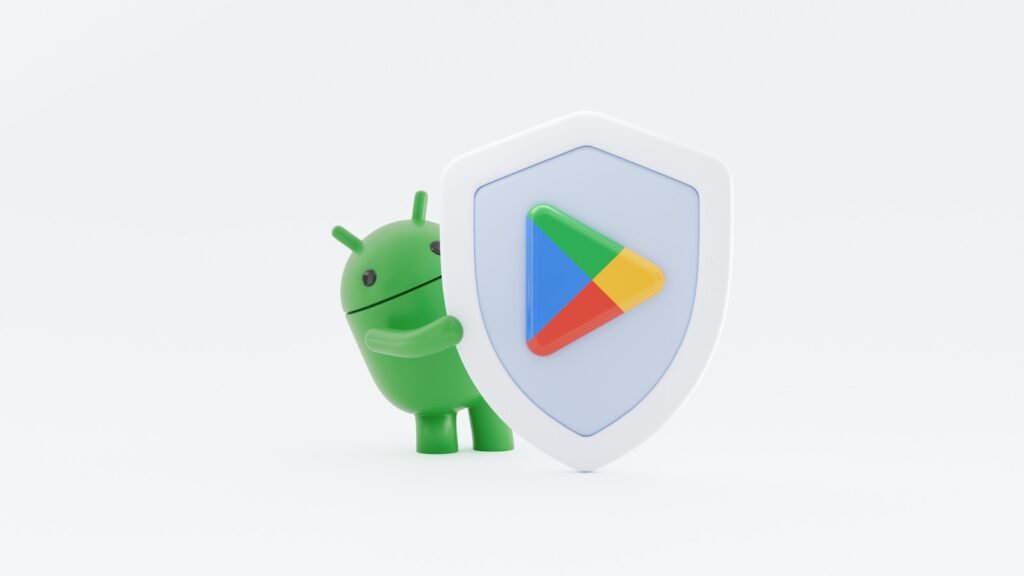
Google has pulled back the curtain on its latest efforts to fortify the Android ecosystem 🤖, revealing a strategy heavily reliant on AI-driven protections and rigorous policy enforcement 🛡️. The tech giant is expanding its real-time defenses to shield users from an increasingly complex landscape of malware, fraud, and privacy intrusions 🔐.
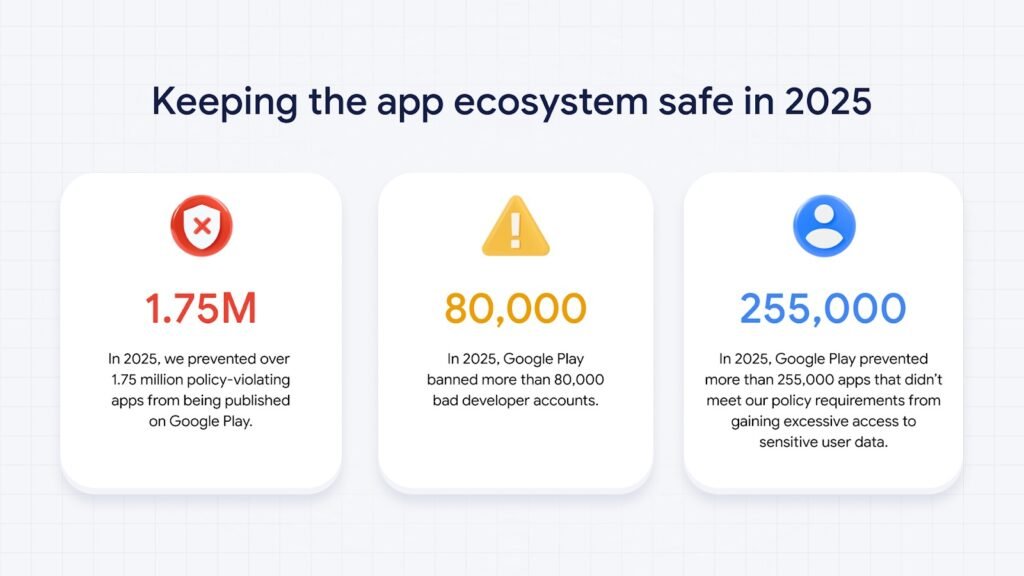
The numbers from 2025 illustrate the scale of this crackdown 👊. Google intercepted more than 1.75 million policy-violating apps before they could ever reach the Google Play Store 🛑. Simultaneously, the company purged over 80,000 developer accounts associated with malicious activity 👤. Google notes that by enforcing stricter verification protocols and mandatory pre-review checks ✅, it has significantly raised the barrier for bad actors 😈 while streamlining the process for legitimate developers to build compliant software 💻.
Getting an app listed is no longer a simple checkbox exercise ☑️. Every submission now undergoes a gauntlet of over 10,000 safety checks before publication 🔍, followed by continuous post-release monitoring 👁️. Throughout 2025, Google supercharged this process by integrating its latest generative AI models 🤖✨, equipping human reviewers with the tools to identify complex, malicious patterns with greater speed and accuracy 🎯.
Privacy remains a cornerstone of the company’s defensive strategy 🔒. By tightening its policies, Google blocked more than 255,000 apps that attempted to grab unnecessary access to sensitive user data 🤫. Furthermore, tools like the Data Safety section and Play Policy Insights in Android Studio 🛠️ have helped developers navigate these requirements, allowing them to reduce permission requests early in the build process 📋.
Integrity extends to user feedback as well 🤝. To preserve the reliability of app ratings ⭐, Google intercepted 160 million spam reviews, effectively neutralizing attempts to artificially inflate or crash scores 🚫. According to the company, these interventions prevented an average 0.5-star drop for apps targeted by coordinated “review bombing” campaigns 💣.
Google Play Protect continues to serve as the heavy lifter in Android’s defense architecture 🏋️. Scanning over 350 billion apps daily—including those sideloaded from outside the store 📥—the system’s real-time capabilities flagged over 27 million new malicious apps from external sources in 2025 alone 🌐. Fraud protection has also expanded significantly, now covering 2.8 billion devices across 185 markets 🌍. This layer alone blocked 266 million risky installation attempts tied to 872,000 high-risk apps ⚠️. Additionally, a new in-call scam protection feature now prevents users from being tricked into disabling Play Protect during suspicious phone calls 📞.
On the technical front, the Play Integrity API ⚙️ has been upgraded to support hardware-backed signals and “device recall” tools to spot repeat offenders. Android 16 is also stepping up with built-in tapjacking protection 👆, a feature developers can now enable with minimal coding effort 👨💻.
Looking ahead 🔮, Google has signaled that its investment in AI defenses and rigorous verification programs will only increase, aiming to solidify trust across the entire Android ecosystem 🤝.
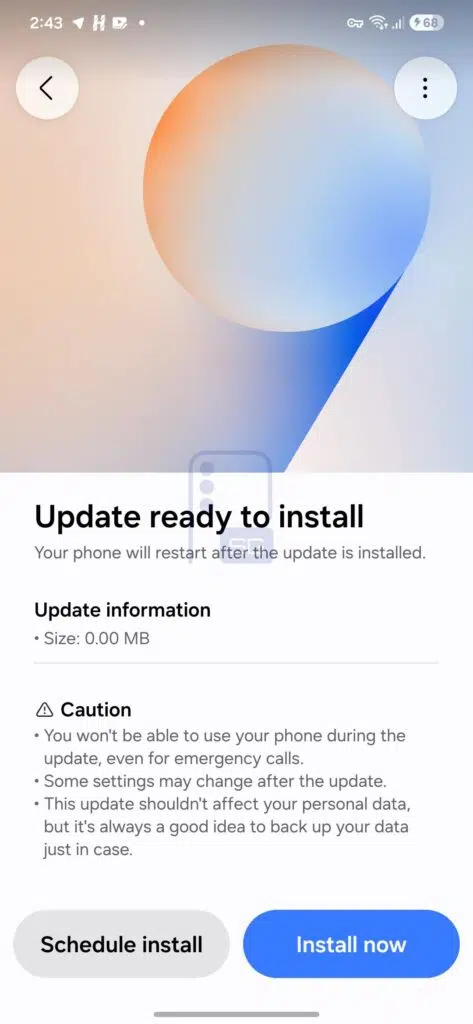
With One UI 8.0 already released and version 8.5 currently in the testing phase, the first traces of One UI 9 are beginning to surface. 🔍
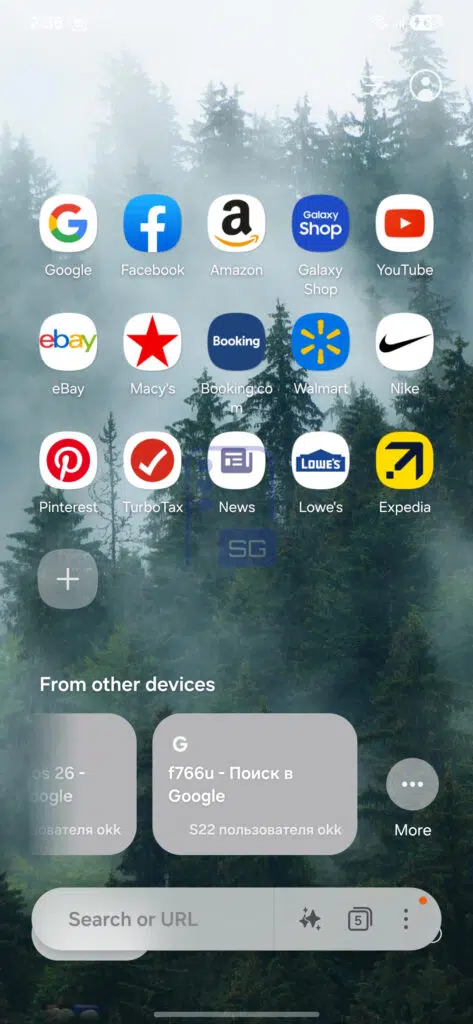
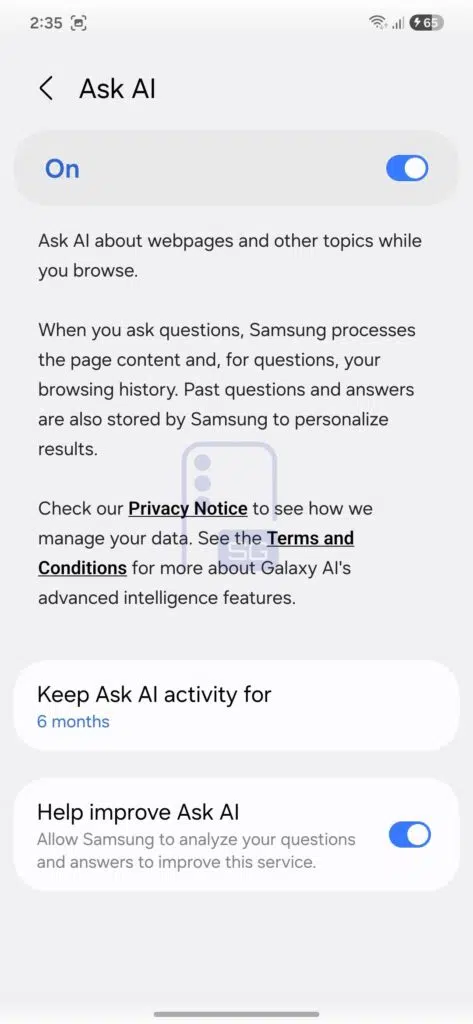
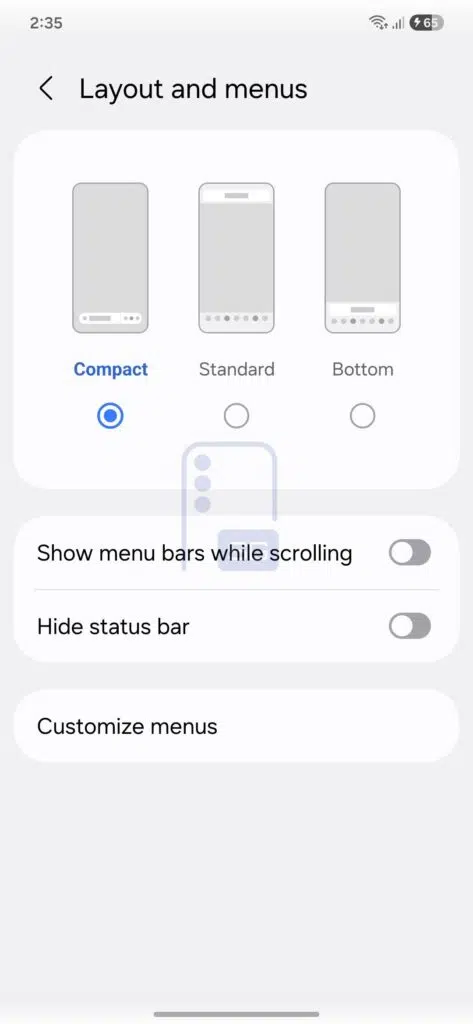
Internal firmware leaks indicate that Samsung has started early testing on this Android 17-based update, even though its public debut is likely still months away. 🛠️ If Samsung adheres to its typical cadence, One UI 9 could launch alongside mid-2026 foldables like the Galaxy Z Fold 8 and Z Flip 8. 🤳 For now, the changes we are seeing are subtle, but intriguing. 👀
The floating action elements introduced in version 8.5 remain, while the page now features a refreshed background graphic that feels significantly more modern. 🎨 At the top, there are two prominent controls: a back arrow on the left and a hamburger-style menu on the right for additional options. 🍔
An “Ask AI” button 🤖
The most significant development, however, seems to be happening inside Samsung Internet. 🌐 Early One UI 9 builds appear to introduce a new “Compact” layout option. This mode shifts toward a more immersive interface, featuring a redesigned bottom bar that groups search, recent tabs, and menu access—along with a notable addition: an “Ask AI” button. ✨ That is where things get interesting.
Reportedly powered by Perplexity AI, this feature builds on Samsung’s broader AI strategy. 🧠 Instead of simply summarizing a page, the tool is designed to analyze what you are reading and respond to contextual questions. 💬 In some cases, it can even factor in browsing history to provide tailored answers, such as comparing product prices or extracting key insights from long articles. 📊
Responses are presented in a structured, chat-style format, and conversation history can be managed to ensure privacy. 🔒 At least initially, availability is expected to be limited to Galaxy AI-supported flagship devices. 💎
If this rolls out widely, Samsung Internet could evolve into much more than just a Chrome alternative for Galaxy users. 🚀
While One UI 8.5 focused largely on visual refinements and wallpaper changes, One UI 9 appears to be centered on embedding intelligence into everyday tasks. 💡
Stay ahead of the curve! 📈 Join our Telegram community and sign up for our daily newsletter to catch the top stories in tech! 📢 📧
If you have ever felt frustration 😫 when your phone slows down during a scroll 📜 or a tap 👆, you are certainly not alone. Even minor stutters and lag can ruin the premium feel of a good device. Fortunately, Google 🤖 aims to smooth things out significantly with its next major update, Android 17. A new report indicates that Google is introducing a system architecture change called “DeliQueue.” The goal is straightforward: minimize wait times ⏳ at the core of the operating system to ensure apps run seamlessly ✨.
Google DeliQueue 🥪⚙️
#android 17
Why Phones Drop Frames 📉🎞️
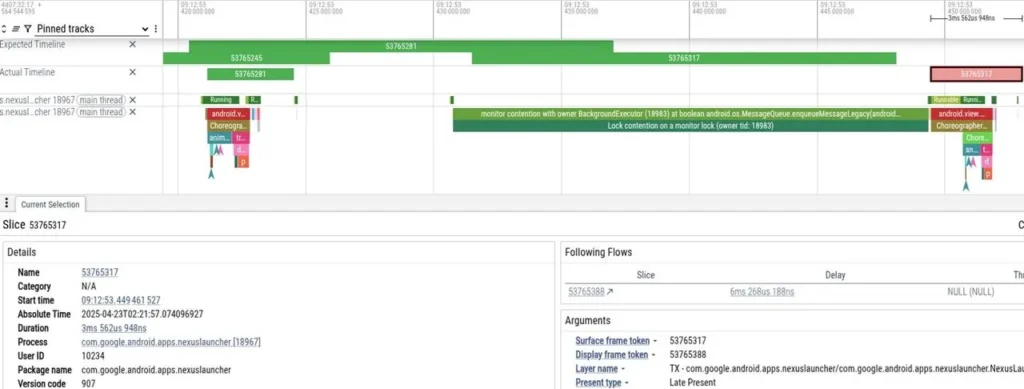
When you swipe 🖐️ on your screen or launch an application 🚀, your phone is required to render each frame on a strict schedule. If it fails to meet that deadline, you experience a visual jump or pause—technically known as a dropped frame ⚠️. The root of this issue lies deep within the system, where numerous tasks line up to access a core component known as the MessageQueue 📩.
Google DeliQueue aa 🛠️
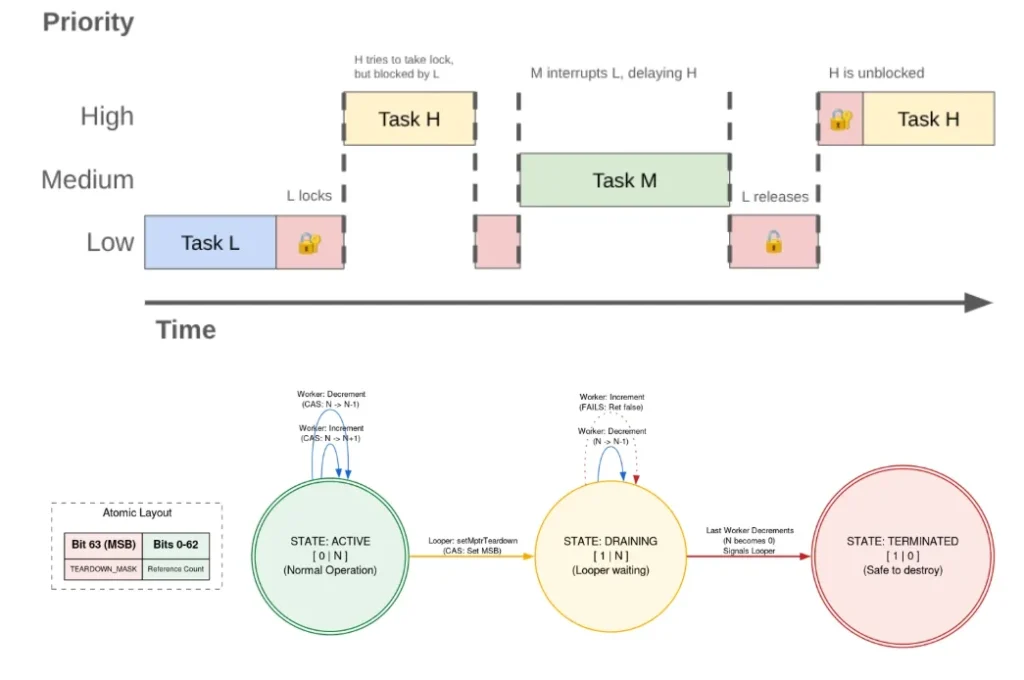
Historically, when a single task held the “lock” 🔒 on this queue, all other pending tasks were forced to wait until the lock was released. You can think of this like a long checkout line at a store 🛒: if one customer takes too long, everyone behind them is stuck standing still 🐢. On a smartphone, that bottleneck translates directly to a sluggish, unresponsive interface 🛑.
Read also 📖
Google Android 17 will hide your private messages from prying eyes 🕵️♂️—no one will see them 🔒💬
A New Way to Share Tasks 🔄🏗️
#Android 17
With the arrival of Android 17, Google plans to overhaul this process. The new DeliQueue tool abandons the antiquated single-lock rule, allowing tasks to operate in a freer, more intelligent manner 🧠. Google uses a deli counter analogy 🥪 to explain the shift: rather than standing in a fixed physical line, you simply take a number 🎟️. You aren’t forced to wait in a single file; when your order is ready, you receive it ✅. Similarly, DeliQueue allows tasks to move based on necessity and available space rather than a strict turn-by-turn basis, resulting in less dead wait time and a smoother workflow 🌊.
Google DeliQueue b 🥪
Real Gains in Tests 📊✅
Google reports that initial tests are yielding tangible results, with the frame drop rate in apps falling by 4% 📉. Even more impressively, frame drops in the main system UI and home screen decreased by 7.7% ✨. The company notes that the feature is still in the testing phase 🧪 and they have patched two bugs 🐜 so far, but the early indicators are promising 🌟. If all goes according to plan, Android 17 could make daily phone usage feel significantly faster and smoother, improving the experience without you ever seeing the mechanics at work ⚙️📱.

Tech2 weeks ago
Roborock unveils the P20 Max: A vacuum powerhouse with 35,000Pa suction & AI smarts 🤖🌪️🧠

Smartphones2 weeks ago
Vivo reportedly testing a massive single-cell 12,000mAh smartphone 📱🔋

Tech2 weeks ago
Xiaomi Electric Scooter 6 Ultra poised for global debut: 75km range and 1200W peak power 🛴🌍🔋⚡

Entertainment9 years ago
The final 6 ‘Game of Thrones’ Trailer

Entertainment9 years ago
The old and New Edition cast comes together to perform

Buying9 years ago
Phillies’ Aaron Altherr makes mind-boggling barehanded play

Videos2 weeks ago
Marvel Tōkon: Fighting Souls 🥊 arrives on PS5 and PC 🎮 this August 6, bringing the X-Men ❌ along for the ride.

Entertainment3 weeks ago
Samsung Galaxy Unpacked 2026 📅: The Galaxy S26 series ✨,

Videos3 weeks ago
Bradley the Badger channels Wreck-It Ralph in a meta video game adventure 🦡🕹️
-
 Entertainment9 years ago
The final 6 ‘Game of Thrones’ Trailer
-
 Entertainment9 years ago
The old and New Edition cast comes together to perform
-
 Buying9 years ago
Phillies’ Aaron Altherr makes mind-boggling barehanded play
-

 Videos9 years ago
Uber and Lyft are finally available in all of New York State
-

 Entertainment9 years ago
Disney’s live-action Aladdin finally finds its stars
-

 Buying9 years ago
Steph Curry finally got the contract he deserves from the Warriors
-

 Entertainment9 years ago
From ‘Dick Clark’s New Year’s Rockin’ Eve’ 🎸 to ‘Nashville’s Big Bash,’ 🤠
-
Buying9 years ago
Boxing continues to knock itself out with bewildering, incorrect decisions