
Apple
Apple 🍎 is set to display more App Store ads 📢 beginning in March 📅


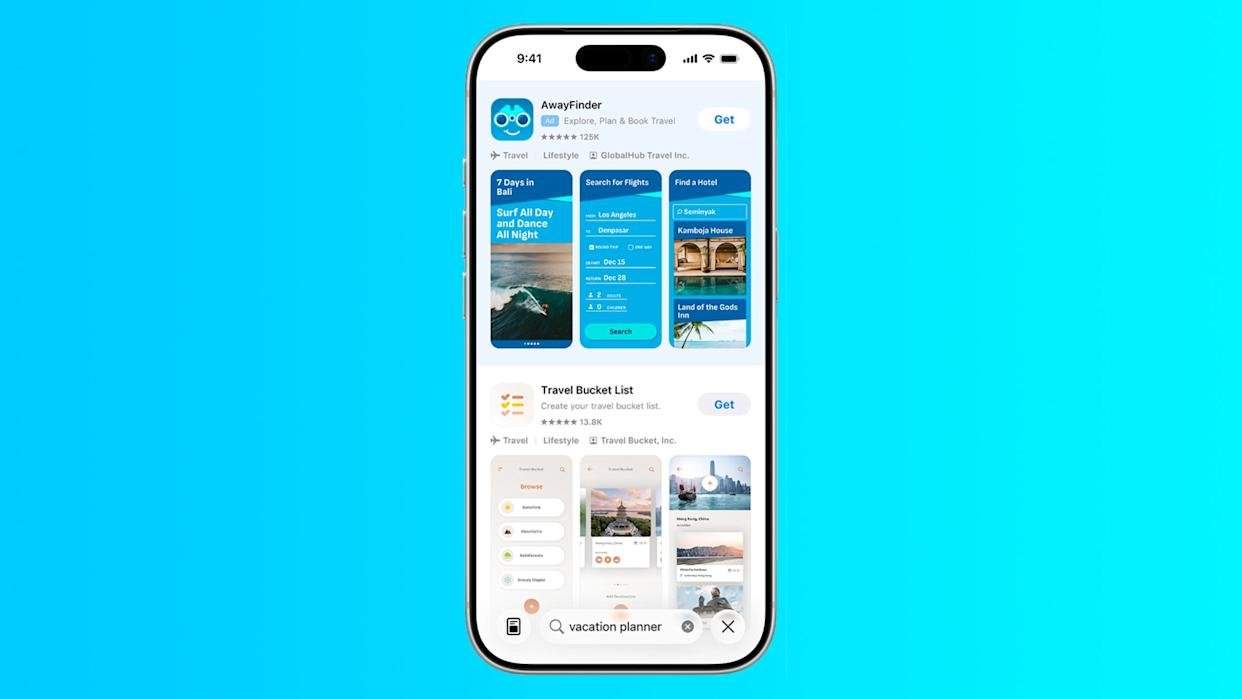
Apple to increase App Store ads starting March 3. New placements will appear deeper in search results, targeting the 65% of users who download apps via search.
#App Store
Starting in March, users 👥 can expect to see an increase in advertisements within App Store search results 🔍, according to an update on Apple’s advertising help page. While the company initially signaled plans to expand ad inventory last month, a developer email 📧 obtained by MacRumors confirms that this new rollout is scheduled to launch on Tuesday, March 3 🚀.
Apple justifies the expansion by pointing to user behavior 🧠, noting that “search is the way most people find and download 📥 apps on the App Store, with nearly 65 percent 📈 of downloads happening directly after a search.” To provide advertisers with more visibility 👀, Apple Ads is introducing additional placements across search queries. Historically, sponsored apps have only appeared at the very top 🔝 of search results; under the new system, ads will also be inserted “further down” ⬇️ in the results list.
App Store activity remains a massive pillar 🏛️ of Apple’s “Services” business 💼. The company generates revenue 💰 not only from every app download and in-app transaction but increasingly by selling ad space to developers seeking visibility 🌟. While App Store ads are not new, their presence has steadily grown 💹. In 2022, Apple introduced ads to the “Today” tab 📆—a section previously reserved for editorial curation—and in 2025, Bloomberg reported that the company intends to bring advertising to Apple Maps 🗺️ as well.
The company’s ambition 🎯 to broaden its marketing reach became clear in April 2025, when it rebranded its platform from “Apple Search Ads” to simply “Apple Ads” 🔄. That name change was perhaps the strongest signal that Apple intended to utilize more of its ecosystem 🌐 for partner promotion. From a business perspective, the strategy is sound: Apple’s billions of devices 📱, all equipped with pre-installed default apps, represent some of the most valuable digital real estate 💎 in the industry.






Apple
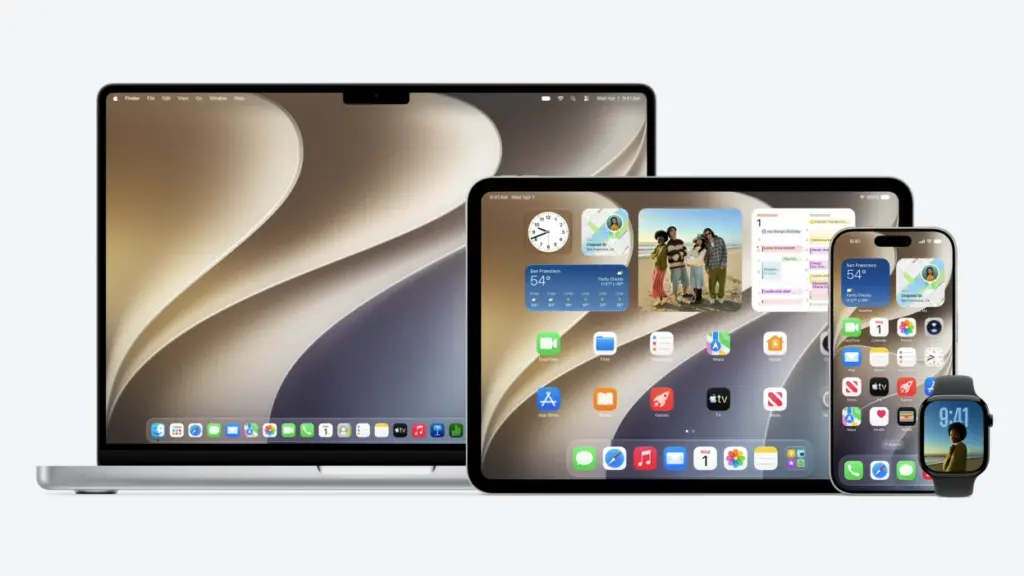
📋 Official Compatibility Breakdown: iOS 27 📱, iPadOS 27 📐, macOS 27 Golden Gate 💻🌉, and watchOS 27 ⌚

# iOS 27

# iOS 27
# iOS 27
“It Feels Like My Muscles Are Waking Up and Working” – Jacqui
This combination of 8 essential amino acids gives your body the building blocks to make all the protein it needs so you can feel fitter, stronger, and younger.

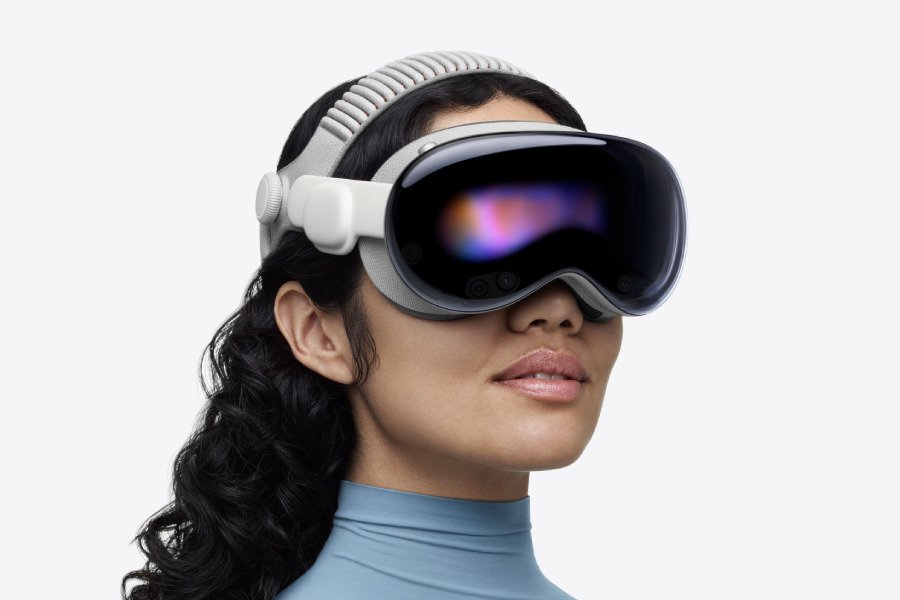
The Vision Pro 2 is reportedly dead. 💀 Apple’s shock leadership shift 😱 has reportedly killed the next-gen headset 🥽 in favor of a secret project 🤫 that could change everything—and it’s coming sooner than you think. ⏳ Information shared by analyst Ming-Chi Kuo 📊 suggests the company is streamlining its future product roadmap 🗺️, with greater attention being given to smart glasses 👓 rather than expanding the Vision Pro family. The reported changes come ahead of a leadership transition at Apple later this year. 🍎
Apple reportedly changes course on Vision products 🔄
Apple-Vision-Pro-M5-Launch-Specs-Price 💸
Apple Vision Pro 🥽
According to Kuo, incoming Apple CEO John Ternus 👔 has approved significant changes to Apple’s wearable strategy. The analyst claims that plans for a second-generation Vision Pro and a lighter Vision Air model have been shelved 📦, leaving the company focused on two smart glasses projects currently under development. 🛠️
One of these products is said to be a display-free AI smart glasses model 🤖 designed to compete with offerings such as Meta Ray-Ban smart glasses. 🕶️ Kuo believes this device could arrive in 2027. 📅 The second product is a more advanced augmented reality glasses model equipped with optical waveguide technology 🔬 that can overlay digital content onto the real world. ✨ That device is reportedly targeted for 2029 or later. 🗓️
Bloomberg’s Mark Gurman 📝 has offered a slightly different view. While he agrees that Apple discontinued several headset-related projects, he claims the company still has a Vision Pro 2 prototype in testing. 🧪 However, the broader Vision headset category is said to be on hold 🛑, with any potential successor unlikely to arrive before the end of the decade. ⏳
The reported strategy reflects the wider industry’s growing interest in lightweight wearable devices ☁️ that can be used throughout the day. Smart glasses are expected to be more affordable 💰 and practical ✅ than high-end mixed reality headsets, potentially making them attractive to a much larger audience. 👥
While Apple’s long-term plans remain unconfirmed, both analysts agree that smart glasses now appear to be a key priority for the company. 🔝 If the timelines prove accurate, Apple’s first AI-focused smart glasses could arrive in 2027 🤖, followed by advanced AR glasses a few years later. ✨
Do you think Apple’s smart glasses could become the company’s next breakthrough product 💥, or would you rather see a new Vision Pro headset? 🥽❓
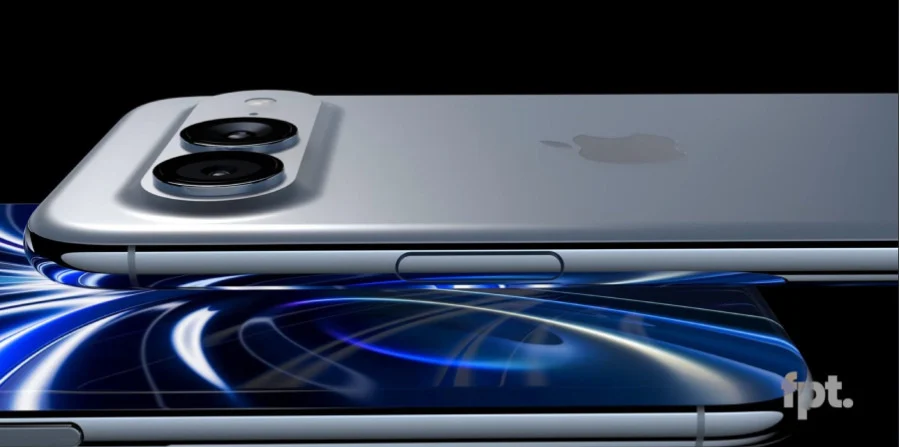
📱 Even though the iPhone 18 is still months away, we might already have our very first glimpse at the iPhone 20. 😲
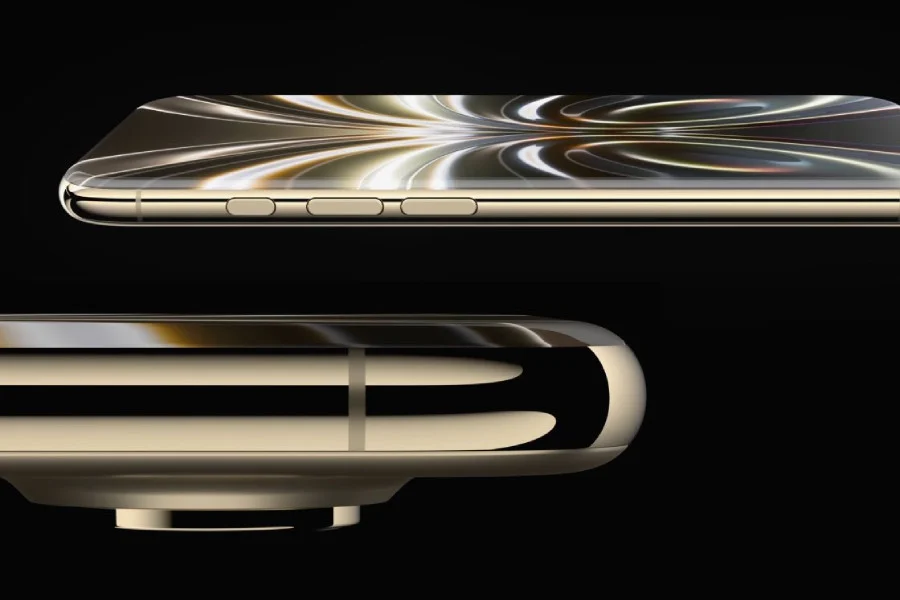
#The iPhone 20
A newly published render video claiming to showcase the highly anticipated “iPhone 20” hints at what could be the most dramatic design overhaul in the smartphone’s history. 🎨✨
The footage 📹, posted by the YouTube channel fpt., asserts that the device has already entered the early stages of production. 🏗️ While Apple remains predictably silent on the matter 🤫, the concept beautifully synthesizes months of persistent rumors, drawing heavily from supply chain leaks and insights from prominent analysts like Mark Gurman. 🧐🔍
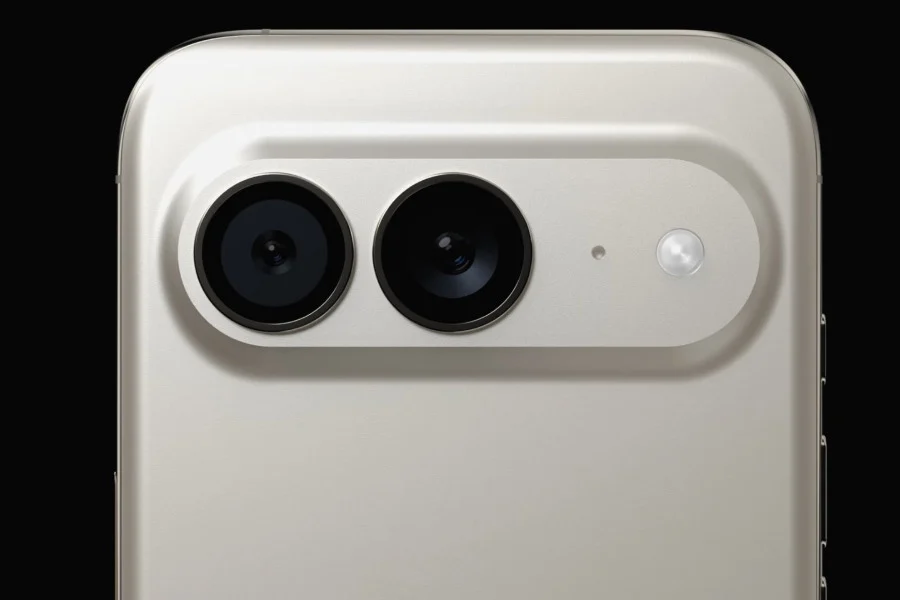
#The iPhone 20
📱 An Almost Bezel-Less iPhone 20 ✨
The video’s renders depict the iPhone 20 as an essentially bezel-free marvel, featuring glass that seamlessly wraps around all four edges. 💎 This bold concept pairs an all-glass backplate with an under-display Face ID system on the front, entirely eliminating physical buttons along the sides. 🚫🔘
The naming convention alone might raise a few eyebrows. 🤨 If Apple releases the iPhone 18 this year, sequential logic suggests the 2027 model would be dubbed the iPhone 19. However, circulating rumors indicate Apple might leapfrog directly to the iPhone 20 to commemorate the 20th anniversary of the original iPhone. 🎂🎉
There is a clear historical precedent for this move. 📜 In 2017, Apple celebrated the device’s tenth anniversary by bypassing the iPhone 9 in favor of the iPhone X. 🔟 That milestone device introduced foundational shifts—such as Face ID and a nearly edge-to-edge display—that dictated the design language for future generations. 🔮
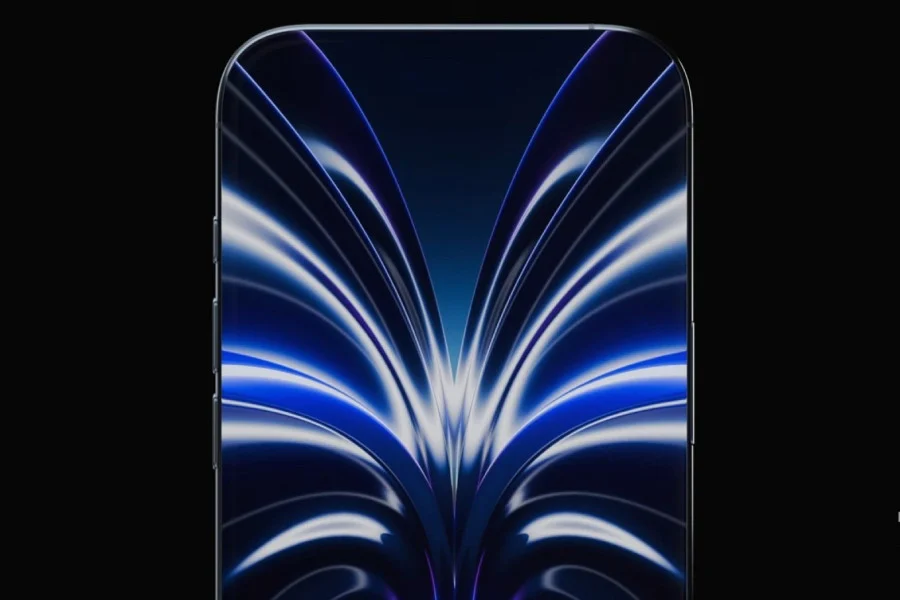
#The iPhone 20
It appears the rumored iPhone 20 is poised to replicate that exact strategy. 📈
3️⃣ Three Major Design Changes Coming to the iPhone 20 🚀
According to the video, the iPhone 20 series will be defined by three primary design innovations:
1️⃣ First is the adoption of a quad-curved screen. Apple is reportedly collaborating with Samsung to develop a custom OLED panel that features a subtle curve along every edge. 🌊
2️⃣ Second is the potential elimination of the Dynamic Island. Leaks suggest that Apple will finally move both the front-facing camera and the Face ID array entirely beneath the display. 🏝️🚫
3️⃣ The third major shift involves the eradication of physical buttons. In place of traditional volume and power keys, Apple is expected to implement solid-state touch controls paired with sophisticated haptic vibration feedback. 📳
Naturally, this sweeping redesign is expected to be accompanied by substantial internal hardware upgrades. ⚙️⚡
iPhone 20 render -2 🖼️
Under the hood 🏎️, the smartphone is anticipated to run on Apple’s next-generation 2nm A21 chip. 🧠⚡ Photography enthusiasts can look forward to a massive 200-megapixel main sensor equipped with enhanced HDR technology. 📸📷 Furthermore, Apple will reportedly utilize advanced silicon-carbon battery technology to power the device. 🔋⚡
Bringing this vision to life isn’t without its hurdles. 🚧 Reports indicate that Apple is actively working alongside Samsung and LG 🤝 to overcome engineering challenges associated with the quad-curved display, most notably a frustrating reduction in brightness along the screen’s curved perimeters. 💡
Perfecting the under-display Face ID presents yet another technical obstacle. 🛠️ Apple must ensure the hidden sensors operate flawlessly, preserving the lightning-fast unlocking speeds and crisp selfie camera quality that users have come to expect. 🤳🆔

JBL Live 780NC and Live 680NC Debut 🎉 in India: Featuring True Adaptive ANC, Spatial Audio, and Up to 80 Hours of Battery Life 🔋

Vivo X Fold 6 Set to Redefine Foldables with a 7,000mAh Battery 🔋 and IPX8/IPX9 Durability 🛡️

Why Next-Gen AI Smartphones May Ditch LPDDR for LLW 🪐

The final 6 ‘Game of Thrones’ Trailer

Oppo Android 17 (ColorOS 17) update: Full list of eligible devices 📱📲

The old and New Edition cast comes together to perform

Vivo X Fold 6 with Dimensity 9500 ⚙️, 200MP triple cameras to launch by June end 🚀

Marvel Tōkon: Fighting Souls 🥊 arrives on PS5 and PC 🎮 this August 6, bringing the X-Men ❌ along for the ride.

Samsung Galaxy Unpacked 2026 📅: The Galaxy S26 series ✨,
-
 Entertainment9 years ago
The final 6 ‘Game of Thrones’ Trailer
-
 Smartphones5 months ago
Oppo Android 17 (ColorOS 17) update: Full list of eligible devices 📱📲
-
 Entertainment9 years ago
The old and New Edition cast comes together to perform
-

 Buying9 years ago
Phillies’ Aaron Altherr makes mind-boggling barehanded play
-

 Videos9 years ago
Uber and Lyft are finally available in all of New York State
-

 Entertainment9 years ago
Disney’s live-action Aladdin finally finds its stars
-

 Buying9 years ago
Steph Curry finally got the contract he deserves from the Warriors
-

 Smartphones9 months ago
OnePlus 16 May Borrow Massive 9,000mAh Battery From Turbo 6 Series 🔋⚡