
Samsung
Samsung 📱 has announced that Samsung Wallet 💳 is gaining support for digital Porsche keys 🏎️,

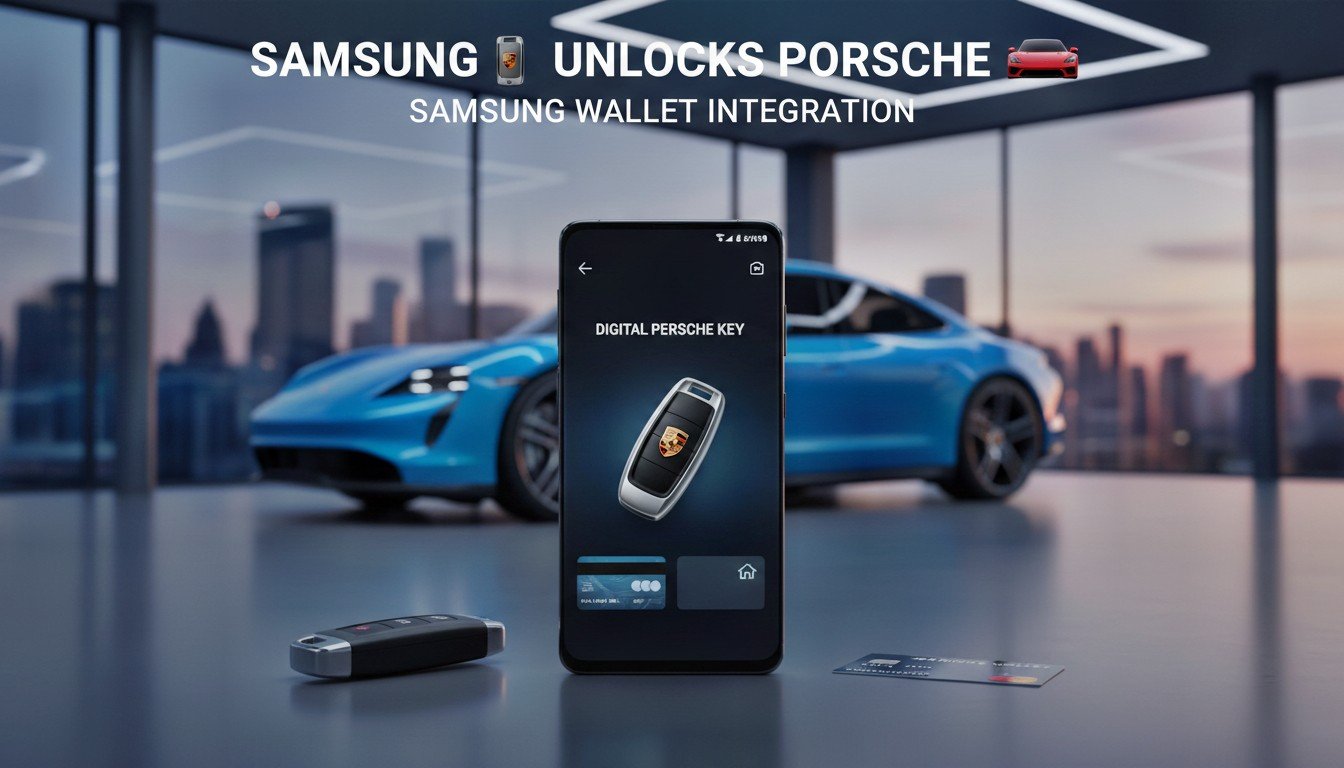
Samsung Wallet adds digital key support for Porsche Macan and Cayenne Electric. Galaxy users can unlock and start vehicles via UWB or NFC starting December.
allowing drivers to leave their physical fobs at home 🏠. Owners of the Porsche Macan and the upcoming Porsche Cayenne Electric ⚡ will soon be able to unlock 🔓 and start their vehicles using only their Galaxy smartphones. These vehicles join a growing list of models supporting Samsung Wallet’s Digital Key feature 🔑, which utilizes secure UWB or NFC connections 📶 to give users wireless control over their cars.
The feature is scheduled to arrive in Europe 🇪🇺 this December 🗓️ before rolling out globally 🌍, a timeline that Samsung notes is “aligned with the launch timeline of Porsche vehicles.” In terms of compatibility ⚙️, Samsung Wallet covers a broad spectrum of hardware; it is available on devices as far back as the Galaxy S20, Note 20, Galaxy Z Fold 2, and Galaxy Flip 5G, and comes standard on most of the brand’s newer phones. Much like similar offerings for Google Pixel and Apple iPhone users, the Digital Key allows Porsche owners to handle locking 🔒, unlocking, and ignition duties directly from their handset. Furthermore, security measures 🛡️ are in place to protect the vehicle: if a user’s phone is ever lost or stolen 🚨, the Digital Key can be remotely locked or deleted ❌ to prevent unauthorized access.
This partnership 🤝 builds on momentum from February 2025, when Samsung added Digital Key support for select Volvo and Polestar EVs 🔋. Since the feature first became available in 2021, it has evolved into a central pillar of the Samsung Wallet experience. Beyond managing digital car keys 🔑, the app continues to serve as a comprehensive digital pocket 👛, allowing users to store credit and debit cards 💳 and transfer money with a single tap 👆.





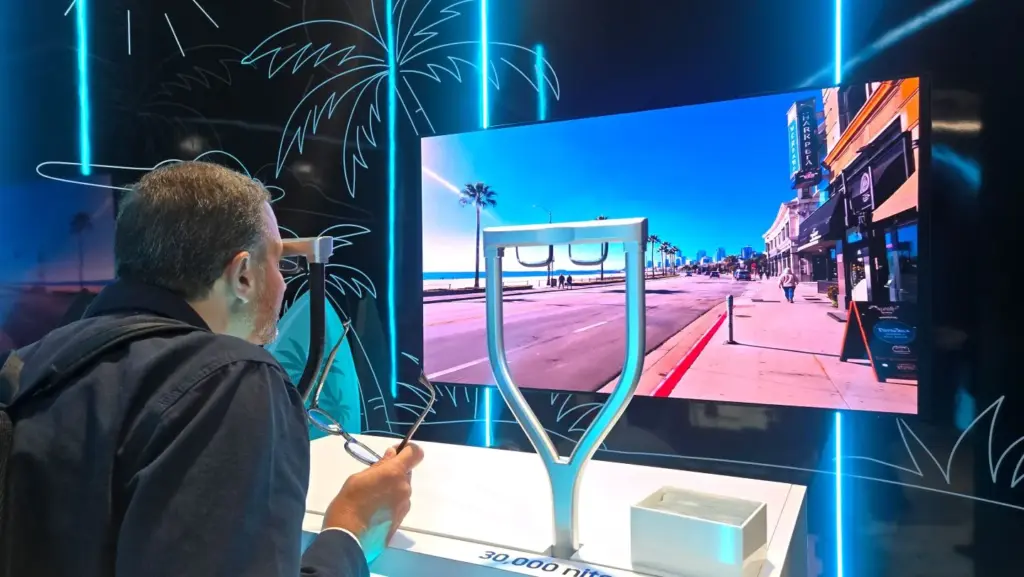
Samsung Display is pushing the boundaries of extended reality (XR) technology 🔮 with its latest breakthroughs in micro-OLED development 🧬. These advancements promise to deliver significantly brighter ✨, more immersive visual experiences for compact wearable devices, including augmented reality (AR) glasses and mixed reality (MR) headsets 🥽.
At AWE USA 2026, the company showcased 🏆 a 1.3-inch RGB OLEDoS (OLED on Silicon) microdisplay panel capable of reaching an astonishing 40,000 nits of brightness ☀️. To demonstrate this capability, Samsung created a darkroom exhibit titled “The Big Dipper,” 🌌 which used seven displays to recreate the famous constellation ✨. While only two of the screens featured the new ultra-bright panel, the contrast was stark, with the new technology delivering vastly superior brightness and more vibrant, lifelike colors 🎨 compared to the standard displays.

This RGB OLEDoS technology achieves its performance by utilizing direct-emission pixels 🎯, bypassing the need for traditional color filters. This design significantly improves light efficiency 💡, which translates to better energy conservation 🔋 and a longer lifespan for the panel. For XR hardware, high brightness is a critical requirement; displays must remain crisp and legible even when competing with intense ambient light—such as direct sunlight ☀️ or bright indoor environments—all without rapidly draining the device’s battery ⚡.
Alongside the flagship display, Samsung demoed several other prototypes 🕹️, including lightweight AR glasses 👓 featuring a smaller 0.62-inch, 30,000-nit version of the panel, and an MR headset leveraging the same technology. The company also showcased stretchable displays 🌀 and naked-eye 3D light field displays 🔮, underscoring its broad commitment to pioneering next-generation visual technologies 🚀.
These breakthroughs arrive as the XR market gains significant commercial momentum 🚀. Consumer electronics manufacturers are increasingly seeking components that enable lighter, more ergonomic, and visually stunning 💎 smart glasses and headsets. High-brightness microdisplays of this caliber are widely considered the missing link 🧩 for seamless mixed reality, allowing digital overlays to blend naturally and convincingly with the physical world 🌍.
Ultimately, Samsung Display’s showcases at AWE USA 2026 represent a major stride toward practical, high-performance XR hardware suited for daily wear. As competition in the spatial computing sector 🪐 intensifies, innovations like these are poised to accelerate the mainstream adoption 📈 of advanced AR and MR devices.
Develop a premium, high-converting, single-sentence Call to Action designed with a compelling audience motivator, using this title and overview: TITLE: Orbio raises $21 million to automate hiring and onboarding for frontline workers. CONTENT:

Although the One UI 9 beta program is currently exclusive to the Galaxy S26 series, Samsung is already hard at work testing the Android 17-based build across a broader range of hardware, including several mid-range models. 🛠️ This internal testing suggests that the company may be preparing to open the beta program to a wider audience of Galaxy users very soon. 🚀
We have spotted the following Galaxy devices running internal One UI 9.0 test firmware on Samsung’s servers: 🔍
📱 Galaxy S25
📱 Galaxy S25+
📱 Galaxy S25 Ultra
📱 Galaxy A57
📱 Galaxy A34
📱 Galaxy A17 5G
📱 Galaxy Z Fold 8 (unreleased)
📱 Galaxy Z Flip 8 (unreleased)
📱 Galaxy Z Fold 8 Ultra (unreleased)
📱 Galaxy Z Fold 7
While these sightings don’t confirm an immediate release date for these specific models, they strongly indicate that Samsung is actively preparing to expand the beta program. 📈 We will be sure to keep you updated as soon as more devices are added to the list. 🔔
Currently, the One UI 9 beta is limited to the Galaxy S26, S26+, and S26 Ultra. 🔒 Samsung has yet to make an official announcement regarding an expansion, but based on previous release cycles, it is highly likely that more devices will be invited to join the testing phase in the coming weeks. 📅
The stable version of One UI 9, powered by Android 17, is expected to launch alongside the next generation of foldables: the Galaxy Z Fold 8, Galaxy Z Flip 8, and the new Galaxy Z Fold 8 Ultra. 🏗️ Current rumors point to an official unveiling of these devices on July 22. 🗓️
Stay ahead of the curve with the latest One UI updates. ⚡ Be sure to check our Samsung news section frequently or join us on Telegram to receive instant notifications the moment new stories are published. 📢
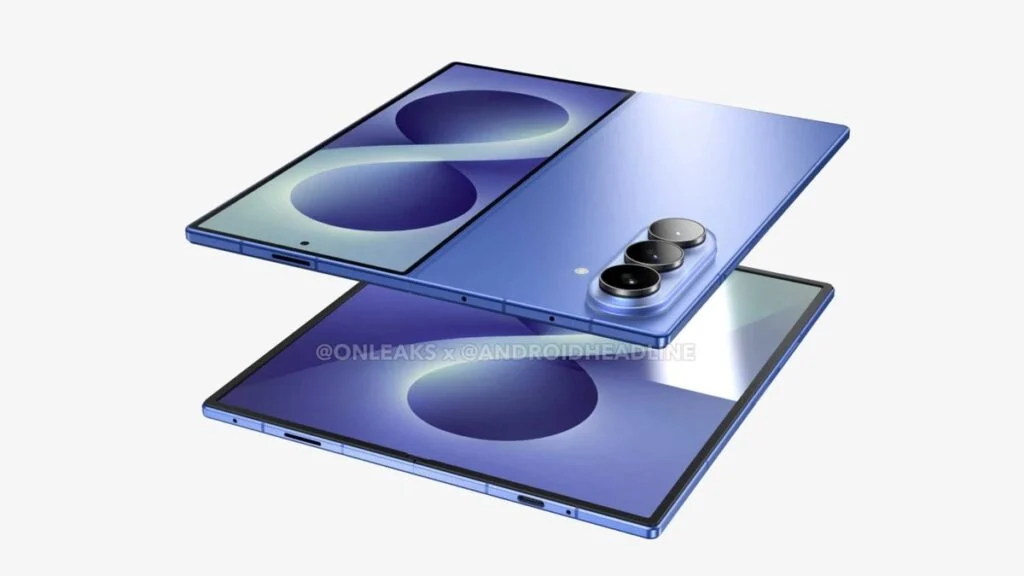
Samsung is finally killing the most confusing part of the Galaxy Z Fold 8. 🚫 Forget the “Wide” rumors—the “Ultra” era is officially here. 📱✨
Samsung appears to be rethinking the naming convention for its upcoming foldables 📱, opting for simplicity over clutter ✨. According to a recent leak from reliable tipster Ice Universe 🧊, the tech giant is abandoning the convoluted “Wide” and “Large” monikers 🚫 that had dominated recent rumors surrounding the Galaxy Z Fold 8 lineup.
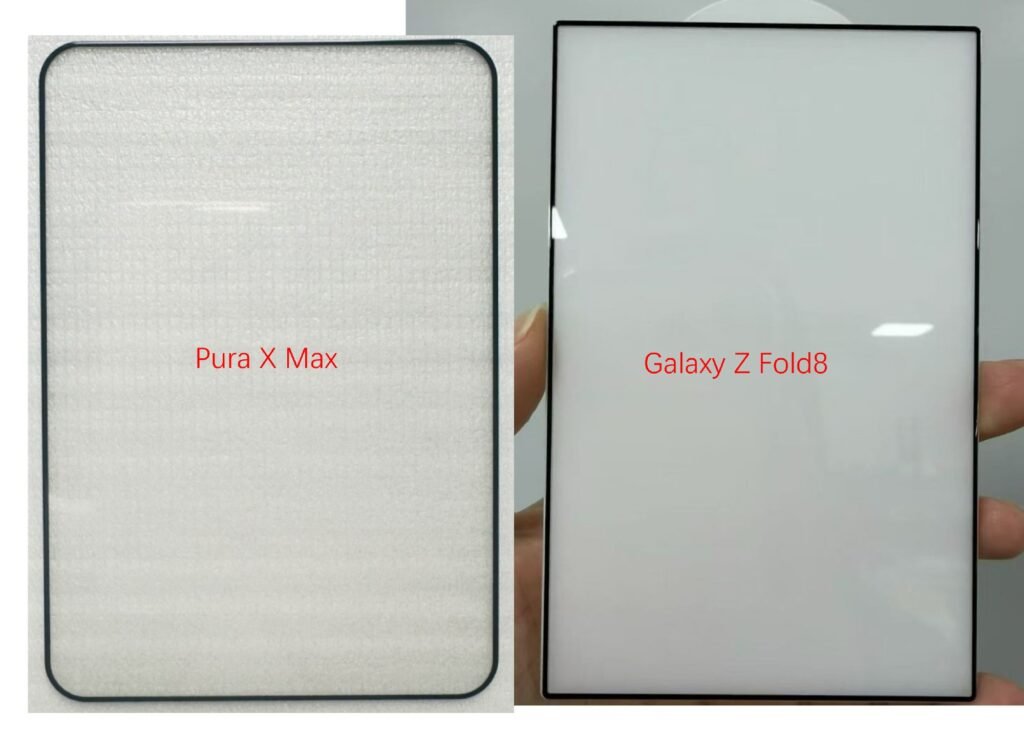
Rather than introducing the unwieldy Galaxy Z Fold 8 Wide, Samsung will reportedly launch the device simply as the Galaxy Z Fold 8 🆕. Meanwhile, the premium tier of the lineup is expected to make its debut as the Galaxy Z Fold 8 Ultra 👑.
If this leak holds true, it represents a welcome pivot toward a much cleaner, more digestible product lineup 🧼. Over the past few months, clunky names like “Z Fold 8 Wide” and “Galaxy Z Wide Fold” have circulated across the rumor mill 🗣️, drawing criticism from consumers who found the branding awkward and needlessly complex 📉.
Galaxy Z Fold 8 Ultra 💎
Positioned as the top-tier offering, the rumored Ultra model is slated to deliver several notable hardware advantages over the standard Fold 8 🚀. Current reports indicate it will pack a robust 5000mAh battery 🔋 and a sophisticated triple-camera array 📸, complete with a dedicated telephoto lens 🔭. In contrast, the standard Fold 8 will likely feature a slightly smaller 4800mAh battery and a more modest dual-camera system 📷.
Under the hood, both devices are expected to be powered by Qualcomm’s formidable Snapdragon 8 Elite Gen 5 chipset 🏎️⚡. Buyers can also look forward to refined foldable displays across the board 👐, though the standard model may sport a more compact aspect ratio compared to its Ultra counterpart 📏.
Industry watchers anticipate that Samsung will officially unveil these next-generation foldables at its traditional summer Galaxy Unpacked event in July 2026 🗓️☀️. While recent speculation suggests London could play host to the launch 🇬🇧, Samsung has yet to officially confirm the venue or the exact date 📍.
Streamlining the product names is a highly strategic move 🎯, particularly as the foldable market grows increasingly competitive 🏁. Over the past year, Chinese manufacturers have aggressively elevated their own foldable offerings 🇨🇳, all while the specter of Apple’s long-rumored entry into the space continues to loom large 🍎👀.

JBL Live 780NC and Live 680NC Debut 🎉 in India: Featuring True Adaptive ANC, Spatial Audio, and Up to 80 Hours of Battery Life 🔋

Vivo X Fold 6 Set to Redefine Foldables with a 7,000mAh Battery 🔋 and IPX8/IPX9 Durability 🛡️

Why Next-Gen AI Smartphones May Ditch LPDDR for LLW 🪐

The final 6 ‘Game of Thrones’ Trailer

Oppo Android 17 (ColorOS 17) update: Full list of eligible devices 📱📲

The old and New Edition cast comes together to perform

Vivo X Fold 6 with Dimensity 9500 ⚙️, 200MP triple cameras to launch by June end 🚀

Marvel Tōkon: Fighting Souls 🥊 arrives on PS5 and PC 🎮 this August 6, bringing the X-Men ❌ along for the ride.

Samsung Galaxy Unpacked 2026 📅: The Galaxy S26 series ✨,
-
 Entertainment9 years ago
The final 6 ‘Game of Thrones’ Trailer
-
 Smartphones5 months ago
Oppo Android 17 (ColorOS 17) update: Full list of eligible devices 📱📲
-
 Entertainment9 years ago
The old and New Edition cast comes together to perform
-

 Buying9 years ago
Phillies’ Aaron Altherr makes mind-boggling barehanded play
-

 Videos9 years ago
Uber and Lyft are finally available in all of New York State
-

 Entertainment9 years ago
Disney’s live-action Aladdin finally finds its stars
-

 Buying9 years ago
Steph Curry finally got the contract he deserves from the Warriors
-

 Smartphones9 months ago
OnePlus 16 May Borrow Massive 9,000mAh Battery From Turbo 6 Series 🔋⚡