
Entertainment
TikTok’s latest spinoff app 📱 evokes memories of Quibi,

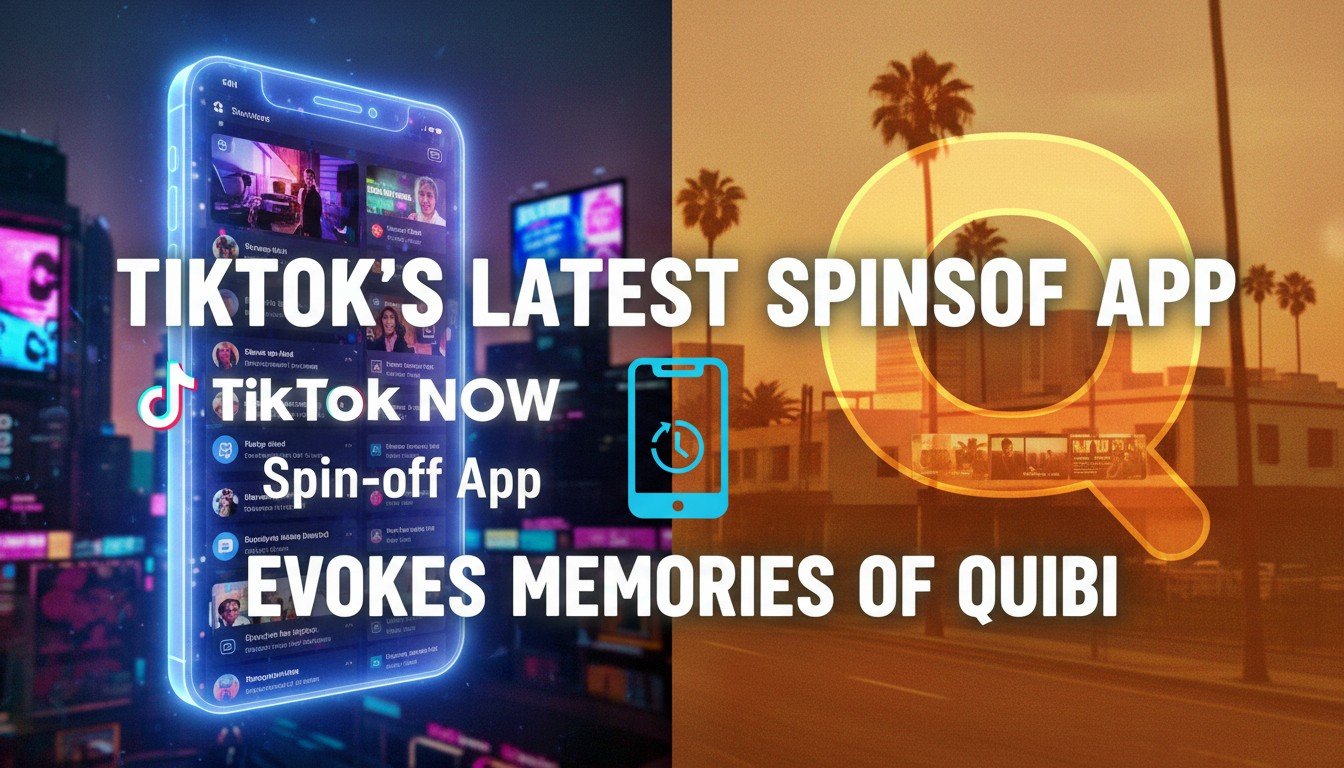
TikTok launches PineDrama, a standalone app for 60-second vertical micro-dramas. Discover the new home for bite-sized, mobile-first melodramatic storytelling.
#spinoff app
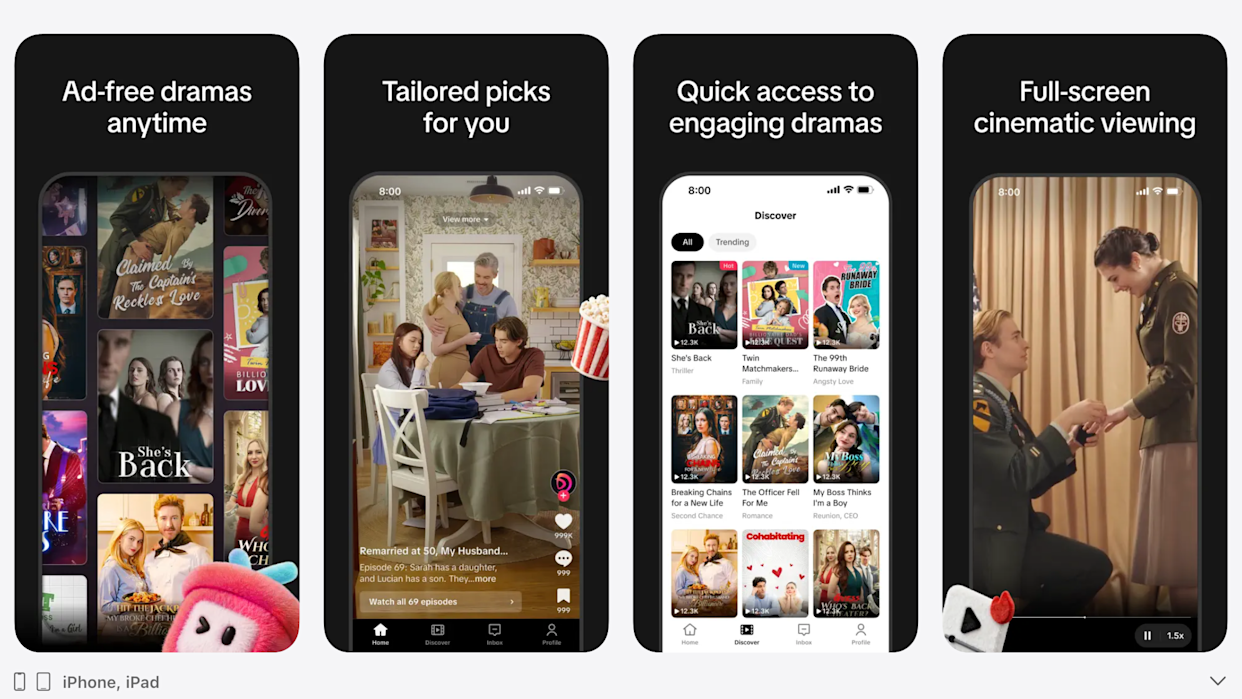
TikTok’s latest spinoff app 📱 evokes memories of Quibi, though its content is significantly shorter and decidedly more melodramatic 🎭. Seemingly determined to further fragment our collective attention span 🧠, the tech giant 🏢 has launched PineDrama 🌲, a standalone app dedicated to serialized dramas with episodes clocking in at roughly sixty seconds ⏱️. As originally reported by Business Insider 📰, the platform mirrors the familiar architecture of TikTok; however, instead of scrolling through viral dance trends 💃, users are presented with an endless stream of “micro dramas” 🎬.
For the uninitiated, the micro drama category 🤏 consists of bite-sized narratives filmed in vertical video 🤳, specifically optimized for mobile consumption 📲. Viewers shouldn’t expect prestige television 📺 or award-winning writing 🏆 from titles like The Officer Fell For Me 👮💘 or Married to my past life’s nemesis 👰⚔️. Instead, these series lean heavily into soap opera tropes 🧼, utilizing rapid-fire cliffhangers 😱 to compel users to swipe immediately to the next installment 👆. To keep engagement high, the app features a Discover tab 🔍, a library to save favorites 📚, and a system allowing users to react in real time alongside the community 💬.
Currently, PineDrama’s library is entirely free to watch 🆓 and devoid of advertisements 🚫. It remains to be seen if TikTok will eventually implement a monetization strategy 💰, given that competitors like DramaBox and ReelShort operate with paid structures 💳. This isn’t TikTok’s first foray into narrative fiction; late last year, the platform integrated a “Minis” section for similar content within its main app 📱. The format inevitably draws comparisons to Quibi, the short-lived streaming service 🕯️ that made waves with episodes under ten minutes long. Quibi folded after just eight months 🗓️, but perhaps its error wasn’t the brevity, but that—by TikTok standards—ten minutes was simply too long ⏳.






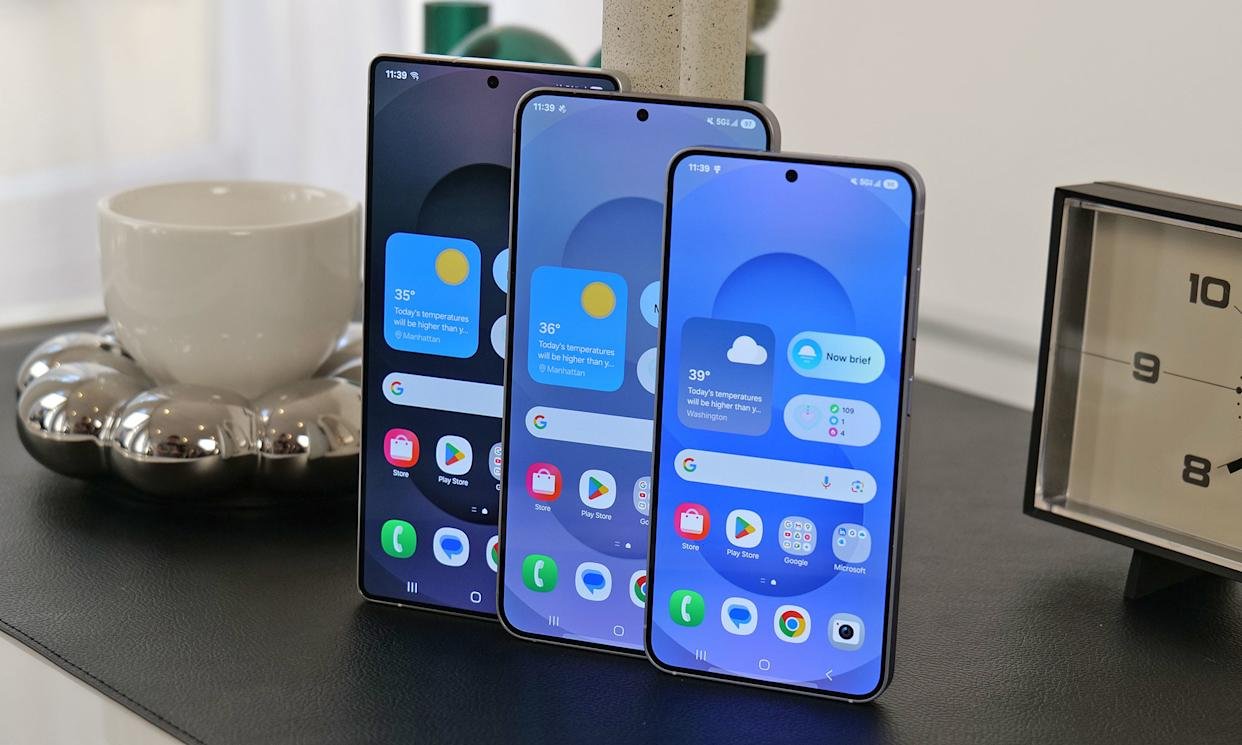
Samsung Galaxy Unpacked 2026 📅: The Galaxy S26 series ✨, AI 🤖, and other products we expect on February 25 🗓️
Samsung’s 2025 was a busy year 🐝 defined by new foldables 📂, an ultra-thin form factor 📏, and the debut of Google’s XR platform 👓. Now, following some initial teasers at CES 2026 👀, the company has officially confirmed that its first Galaxy Unpacked of the year is set for February 25 ✅. While the event is expected to headline the Galaxy S26 lineup 📱, specific details remain under wraps 🤫 despite official invites going out. However, as is tradition with major tech launches, the rumor mill 🗞️ has given us a fairly clear picture of what to expect.
#Galaxy S26 series
According to the invites sent out on February 10, the festivities will take place in San Francisco 🌉 on February 25, 2026. The keynote is scheduled for 10AM PT (1PM ET) 🎙️ and will be livestreamed across Samsung.com, the company’s newsroom, and its YouTube channel 📺. The invite teases that this launch marks “a new phase in the era of AI 🧠 as intelligence becomes truly personal and adaptive 💡.” While that sounds like the same industry jargon we’ve heard repeatedly over the last few years, we only have to wait two weeks to see if the company has any genuine surprises in store 🎁 regarding AI.
It appears Samsung is sticking to a philosophy of refinement rather than reinvention 💎 for the Galaxy S26. Leaked images 🔍 suggest the company isn’t planning a radical redesign for the Galaxy S26, S26+, or S26 Ultra, opting instead to maintain the aesthetic established by the Galaxy S25 ✨. We expect to see flat front screens 📱 and frames with rounded corners, along with the familiar vertical pill-shaped camera housing on the rear 📸. Unlike Apple’s distinct shift from the iPhone 16 Pro to the iPhone 17 Pro 🍎, Samsung’s biggest upgrades will likely be found internally, specifically regarding the display technology, chipsets ⚡, and camera sensors.
Under the hood 🏎️, Qualcomm’s new Snapdragon 8 Elite Gen 5 chip is expected to power the entire Galaxy S26 lineup 🔋. However, a report from Korean outlet Yonhap News suggests Samsung may revisit its split-chip strategy, potentially using its own Exynos 2600 processor in certain regions 🌏. Regardless of the silicon 📟, these new devices should offer a solid performance boost over the previous generation 🚀. Models equipped with the Snapdragon 8 Elite Gen 5, in particular, are expected to excel at on-device AI processing 🧠.
One distinct change for the standard Galaxy S26 could be its display size 📏. According to specs shared by leaker Ice Universe, the new phone will feature a 6.3-inch FHD+ screen, making it marginally larger than the 6.2-inch panel found on the Galaxy S25 📱. The device is also expected to ship with 12GB of RAM 💾, storage options of 256GB or 512GB, and a slightly larger 4,300mAh battery 🔋. The camera hardware 📸, however, seems to be carrying over from last year: leaks point to the same 50-megapixel main sensor, 12-megapixel ultrawide, 10-megapixel 3x telephoto, and 12-megapixel selfie camera 🤳. The Galaxy S26+ appears to be an even more iterative update. Aside from the new Snapdragon processor, it will reportedly retain the 6.7-inch FHD+ display, 4,900mAh battery, 12GB of RAM, and the same camera configuration as the base model 📝.
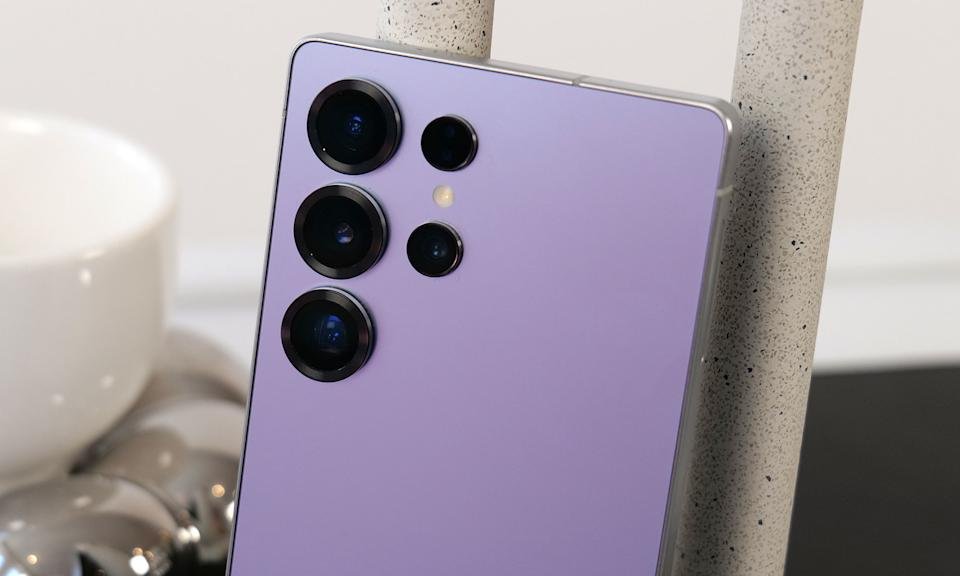
The Galaxy S26 Ultra, however, may offer more tangible differences compared to the S25 Ultra 👑. Android Headlines reports that the new model will feature slightly more raised cameras accented by a new metallic finish 🥈. Interestingly, Samsung might switch back to an aluminum frame for the S26 Ultra 🏗️, moving away from the titanium used on the S24 and S25 Ultra models 🛡️. The most significant internal shift may concern wireless charging; to fully support the Qi2 standard ⚡—rather than just technically working with it via a case—rumors suggest Samsung will remove the S Pen digitizer layer. This would require a new method for stylus input 🖊️, but it could finally allow the S26 Ultra to work seamlessly with magnetic Qi2 accessories 🧲 without the S Pen losing functionality.
Android Headlines also recently published what appear to be full image renders of the S26 series 🖼️. These images generally align with the rumors and leaks we’ve seen so far 🔍. If accurate, they provide a clearer look at the updated camera bump and showcase two of the color variants 🌈 we can expect for the S26 Ultra.
Finally, fans of magnetic accessories might be let down yet again 📉. Despite the Qi2 wireless charging standard introducing convenient magnetic alignment years ago, Samsung has been slow to integrate the feature directly into its hardware 🐢. While the S-series supports the faster charging speeds the spec allows, Nieuwemobiel.nl reports that the S26 series likely won’t have built-in magnets 🧲. This conclusion comes from leaked images of third-party cases featuring magnetic rings, suggesting Samsung will continue its strategy ♟️ of relying on accessories to add magnetic functionality rather than baking it into the phone itself.
Entertainment
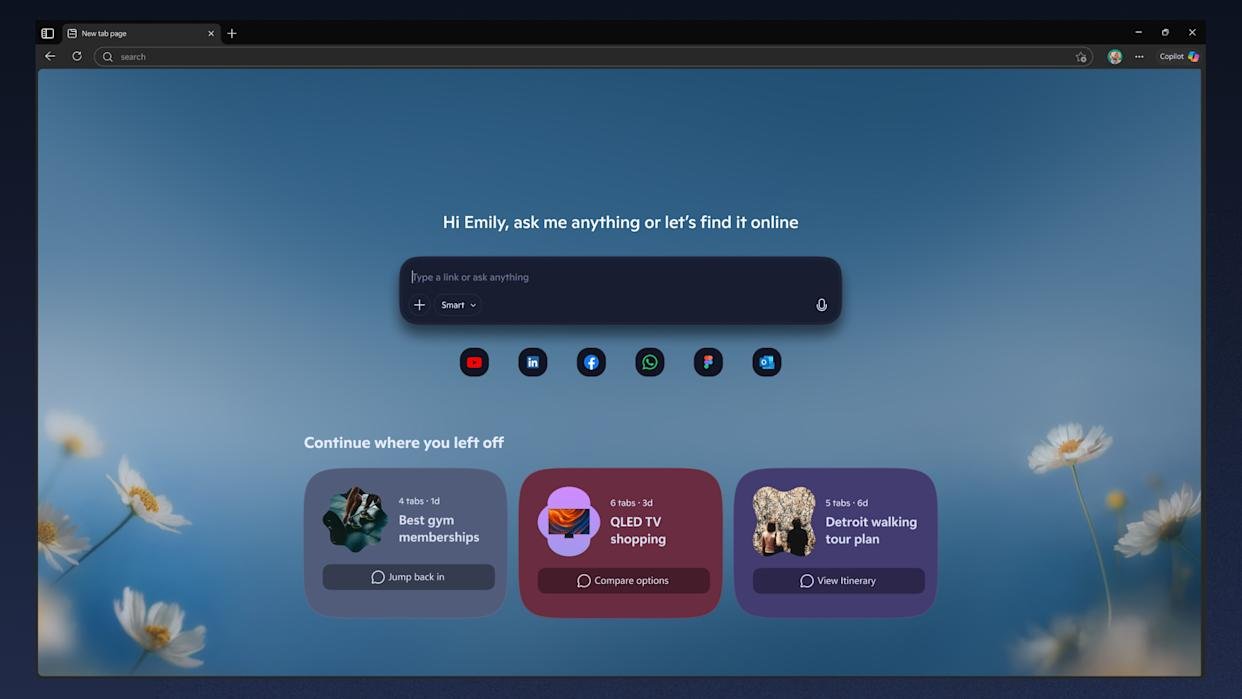
🌐 Web browsers have unexpectedly returned to the forefront of the technology landscape.

Tech2 weeks ago
Roborock unveils the P20 Max: A vacuum powerhouse with 35,000Pa suction & AI smarts 🤖🌪️🧠

Smartphones2 weeks ago
Vivo reportedly testing a massive single-cell 12,000mAh smartphone 📱🔋

Tech2 weeks ago
Xiaomi Electric Scooter 6 Ultra poised for global debut: 75km range and 1200W peak power 🛴🌍🔋⚡

Entertainment9 years ago
The final 6 ‘Game of Thrones’ Trailer

Entertainment9 years ago
The old and New Edition cast comes together to perform

Buying9 years ago
Phillies’ Aaron Altherr makes mind-boggling barehanded play

Videos2 weeks ago
Marvel Tōkon: Fighting Souls 🥊 arrives on PS5 and PC 🎮 this August 6, bringing the X-Men ❌ along for the ride.

Entertainment3 weeks ago
Samsung Galaxy Unpacked 2026 📅: The Galaxy S26 series ✨,

Videos3 weeks ago
Bradley the Badger channels Wreck-It Ralph in a meta video game adventure 🦡🕹️
-
 Entertainment9 years ago
The final 6 ‘Game of Thrones’ Trailer
-
 Entertainment9 years ago
The old and New Edition cast comes together to perform
-
 Buying9 years ago
Phillies’ Aaron Altherr makes mind-boggling barehanded play
-

 Videos9 years ago
Uber and Lyft are finally available in all of New York State
-

 Entertainment9 years ago
Disney’s live-action Aladdin finally finds its stars
-

 Buying9 years ago
Steph Curry finally got the contract he deserves from the Warriors
-

 Entertainment9 years ago
From ‘Dick Clark’s New Year’s Rockin’ Eve’ 🎸 to ‘Nashville’s Big Bash,’ 🤠
-
Buying9 years ago
Boxing continues to knock itself out with bewildering, incorrect decisions