
Apps
WhatsApp is enhancing the group chat experience


WhatsApp enhances group chats with member tags for custom roles and text stickers. Personalize your identity and messaging with these new features.
WhatsApp is enhancing the group chat experience with a fresh rollout of features. 📱 The highlight here is undoubtedly the introduction of member tags, a feature that allows users to assign themselves a custom label specific to a particular group. 🏷️
Meta illustrates this with the example of a user tagging themselves as a “dad” 👨👧👦 in a family chat while adopting the “soccer goalkeeper” persona ⚽🧤 in another. This functionality promises to be particularly handy for communities focused on role-playing 🎭, fantasy sports leagues 🏆, or anyone needing distinct context for different social circles. 🌐
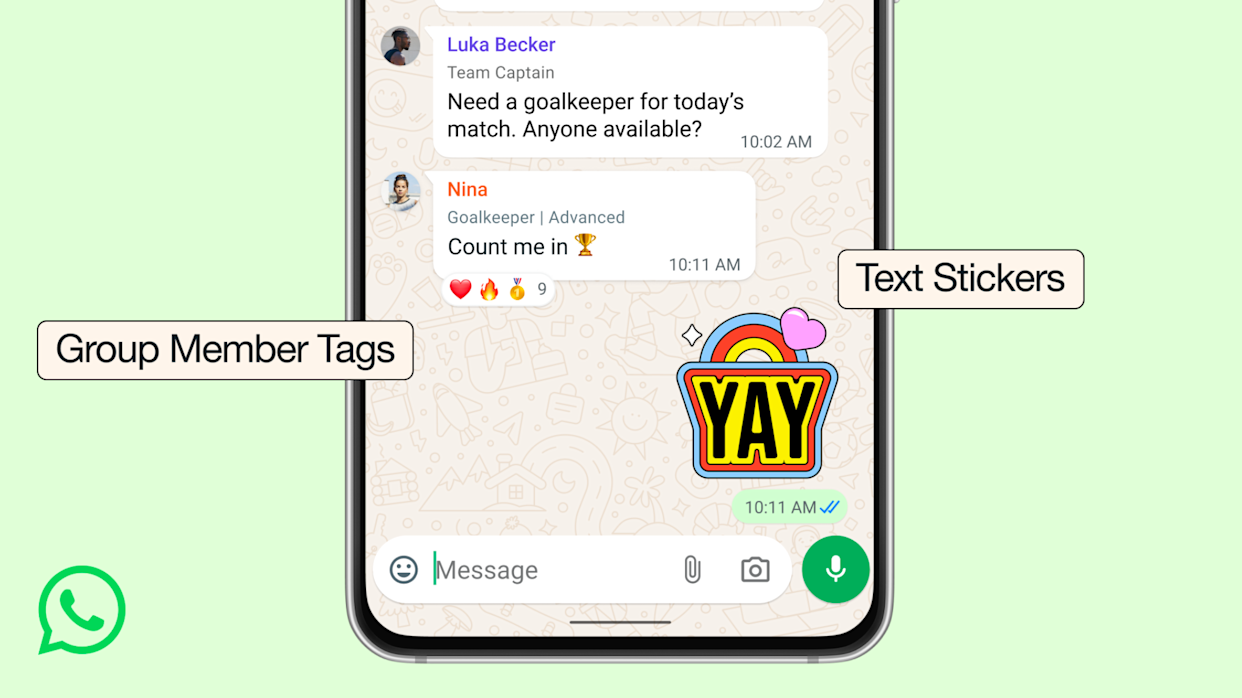
#whatsapp text stickers
Beyond identity management, the platform is introducing text stickers to group conversations. 🎨 This tool enables users to transform virtually any word into a sticker through an integrated search function 🔍, while also allowing them to curate a collection of their most-used graphics for quick access. ⭐
Rounding out the utility updates are event reminders. ⏰ As the name suggests, this feature allows users to set up early notifications for scheduled gatherings. 🗓️ As Meta puts it, the goal is to help “everyone remember to commute to the party you’re hosting 🥳 or hop on the call at the right time.” 📞
These additions mark the latest in a series of improvements for WhatsApp. 🚀 Recently, the app also debuted AI-powered chat summaries 🤖 and brought back the ability to set away messages. 💤


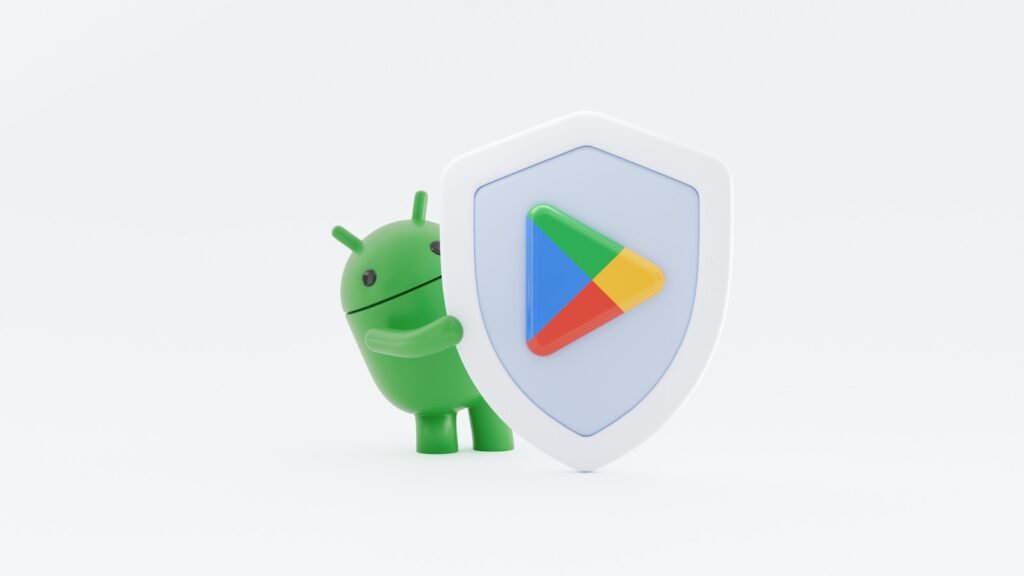
Google has pulled back the curtain on its latest efforts to fortify the Android ecosystem 🤖, revealing a strategy heavily reliant on AI-driven protections and rigorous policy enforcement 🛡️. The tech giant is expanding its real-time defenses to shield users from an increasingly complex landscape of malware, fraud, and privacy intrusions 🔐.
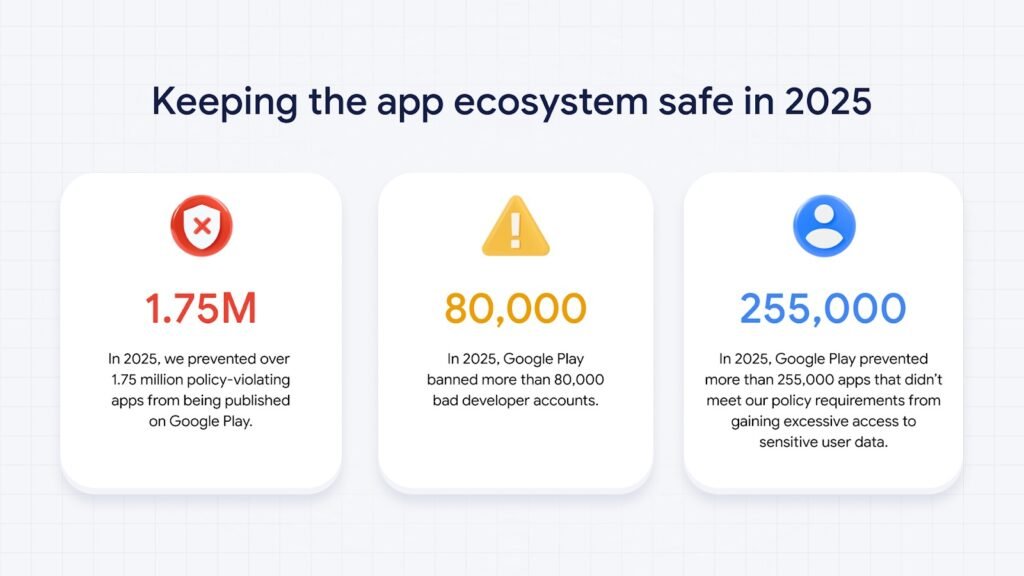
The numbers from 2025 illustrate the scale of this crackdown 👊. Google intercepted more than 1.75 million policy-violating apps before they could ever reach the Google Play Store 🛑. Simultaneously, the company purged over 80,000 developer accounts associated with malicious activity 👤. Google notes that by enforcing stricter verification protocols and mandatory pre-review checks ✅, it has significantly raised the barrier for bad actors 😈 while streamlining the process for legitimate developers to build compliant software 💻.
Getting an app listed is no longer a simple checkbox exercise ☑️. Every submission now undergoes a gauntlet of over 10,000 safety checks before publication 🔍, followed by continuous post-release monitoring 👁️. Throughout 2025, Google supercharged this process by integrating its latest generative AI models 🤖✨, equipping human reviewers with the tools to identify complex, malicious patterns with greater speed and accuracy 🎯.
Privacy remains a cornerstone of the company’s defensive strategy 🔒. By tightening its policies, Google blocked more than 255,000 apps that attempted to grab unnecessary access to sensitive user data 🤫. Furthermore, tools like the Data Safety section and Play Policy Insights in Android Studio 🛠️ have helped developers navigate these requirements, allowing them to reduce permission requests early in the build process 📋.
Integrity extends to user feedback as well 🤝. To preserve the reliability of app ratings ⭐, Google intercepted 160 million spam reviews, effectively neutralizing attempts to artificially inflate or crash scores 🚫. According to the company, these interventions prevented an average 0.5-star drop for apps targeted by coordinated “review bombing” campaigns 💣.
Google Play Protect continues to serve as the heavy lifter in Android’s defense architecture 🏋️. Scanning over 350 billion apps daily—including those sideloaded from outside the store 📥—the system’s real-time capabilities flagged over 27 million new malicious apps from external sources in 2025 alone 🌐. Fraud protection has also expanded significantly, now covering 2.8 billion devices across 185 markets 🌍. This layer alone blocked 266 million risky installation attempts tied to 872,000 high-risk apps ⚠️. Additionally, a new in-call scam protection feature now prevents users from being tricked into disabling Play Protect during suspicious phone calls 📞.
On the technical front, the Play Integrity API ⚙️ has been upgraded to support hardware-backed signals and “device recall” tools to spot repeat offenders. Android 16 is also stepping up with built-in tapjacking protection 👆, a feature developers can now enable with minimal coding effort 👨💻.
Looking ahead 🔮, Google has signaled that its investment in AI defenses and rigorous verification programs will only increase, aiming to solidify trust across the entire Android ecosystem 🤝.
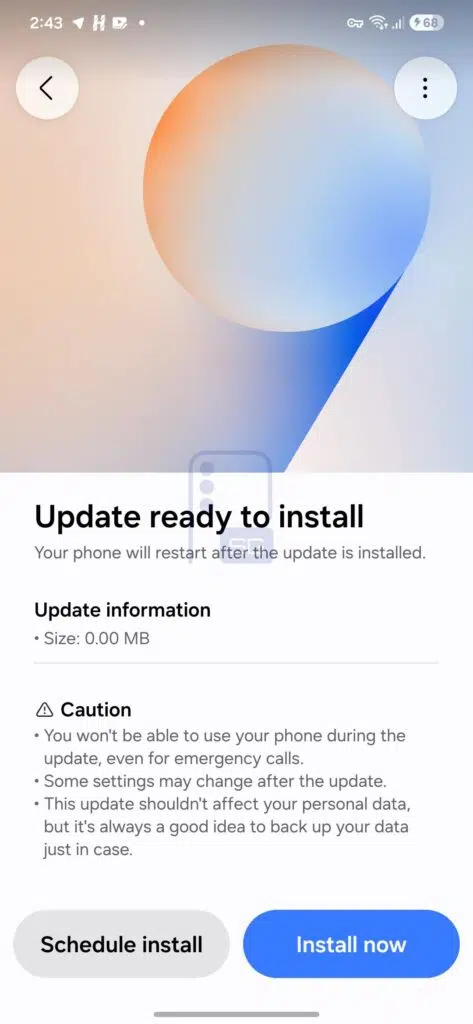
With One UI 8.0 already released and version 8.5 currently in the testing phase, the first traces of One UI 9 are beginning to surface. 🔍
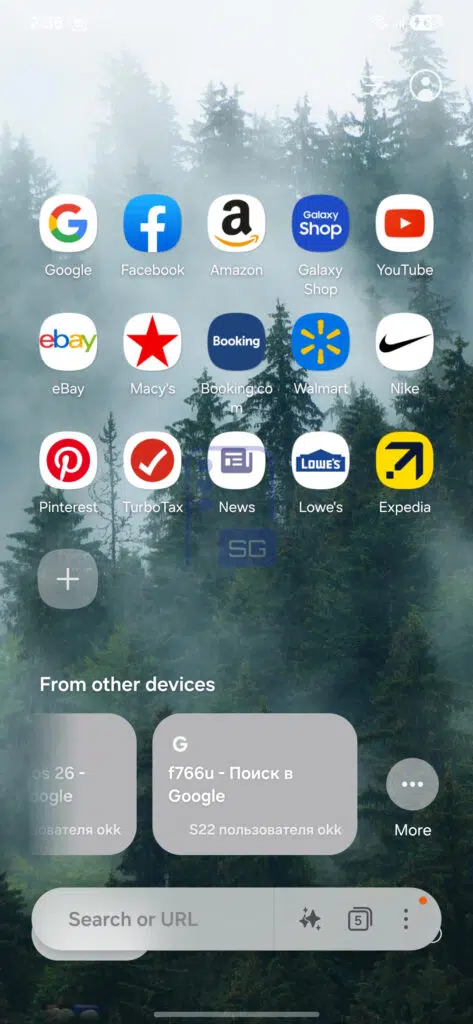
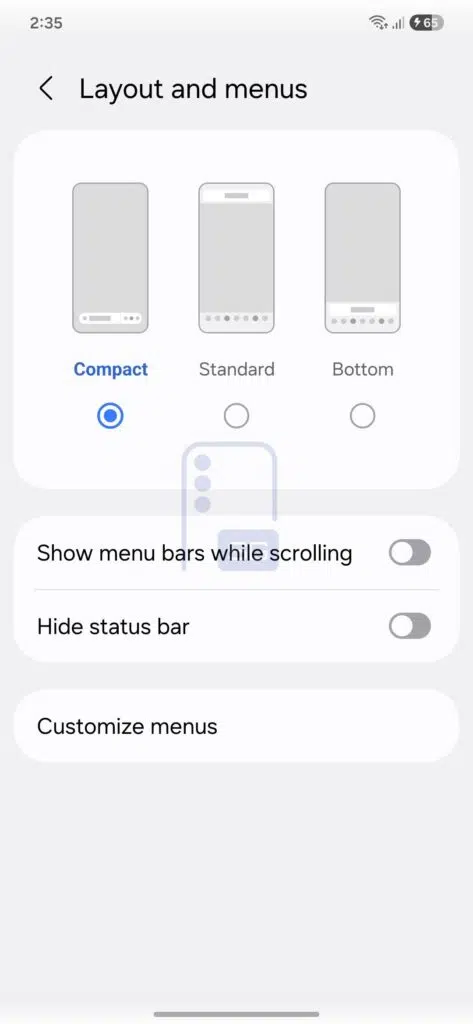
Internal firmware leaks indicate that Samsung has started early testing on this Android 17-based update, even though its public debut is likely still months away. 🛠️ If Samsung adheres to its typical cadence, One UI 9 could launch alongside mid-2026 foldables like the Galaxy Z Fold 8 and Z Flip 8. 🤳 For now, the changes we are seeing are subtle, but intriguing. 👀
The floating action elements introduced in version 8.5 remain, while the page now features a refreshed background graphic that feels significantly more modern. 🎨 At the top, there are two prominent controls: a back arrow on the left and a hamburger-style menu on the right for additional options. 🍔
An “Ask AI” button 🤖
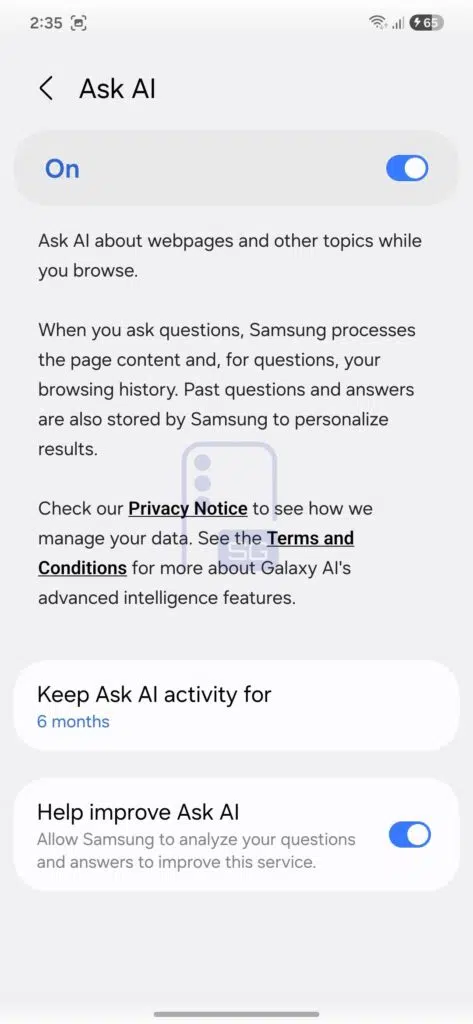
The most significant development, however, seems to be happening inside Samsung Internet. 🌐 Early One UI 9 builds appear to introduce a new “Compact” layout option. This mode shifts toward a more immersive interface, featuring a redesigned bottom bar that groups search, recent tabs, and menu access—along with a notable addition: an “Ask AI” button. ✨ That is where things get interesting.
Reportedly powered by Perplexity AI, this feature builds on Samsung’s broader AI strategy. 🧠 Instead of simply summarizing a page, the tool is designed to analyze what you are reading and respond to contextual questions. 💬 In some cases, it can even factor in browsing history to provide tailored answers, such as comparing product prices or extracting key insights from long articles. 📊
Responses are presented in a structured, chat-style format, and conversation history can be managed to ensure privacy. 🔒 At least initially, availability is expected to be limited to Galaxy AI-supported flagship devices. 💎
If this rolls out widely, Samsung Internet could evolve into much more than just a Chrome alternative for Galaxy users. 🚀
While One UI 8.5 focused largely on visual refinements and wallpaper changes, One UI 9 appears to be centered on embedding intelligence into everyday tasks. 💡
Stay ahead of the curve! 📈 Join our Telegram community and sign up for our daily newsletter to catch the top stories in tech! 📢 📧

Roborock unveils the P20 Max: A vacuum powerhouse with 35,000Pa suction & AI smarts 🤖🌪️🧠

Vivo reportedly testing a massive single-cell 12,000mAh smartphone 📱🔋

Xiaomi Electric Scooter 6 Ultra poised for global debut: 75km range and 1200W peak power 🛴🌍🔋⚡

The final 6 ‘Game of Thrones’ Trailer

The old and New Edition cast comes together to perform

Phillies’ Aaron Altherr makes mind-boggling barehanded play

Marvel Tōkon: Fighting Souls 🥊 arrives on PS5 and PC 🎮 this August 6, bringing the X-Men ❌ along for the ride.

Samsung Galaxy Unpacked 2026 📅: The Galaxy S26 series ✨,

Bradley the Badger channels Wreck-It Ralph in a meta video game adventure 🦡🕹️
-
 Entertainment9 years ago
The final 6 ‘Game of Thrones’ Trailer
-
 Entertainment9 years ago
The old and New Edition cast comes together to perform
-
 Buying9 years ago
Phillies’ Aaron Altherr makes mind-boggling barehanded play
-

 Videos9 years ago
Uber and Lyft are finally available in all of New York State
-
 Entertainment9 years ago
Disney’s live-action Aladdin finally finds its stars
-

 Buying9 years ago
Steph Curry finally got the contract he deserves from the Warriors
-

 Entertainment9 years ago
From ‘Dick Clark’s New Year’s Rockin’ Eve’ 🎸 to ‘Nashville’s Big Bash,’ 🤠
-
Buying9 years ago
Boxing continues to knock itself out with bewildering, incorrect decisions